Introduction
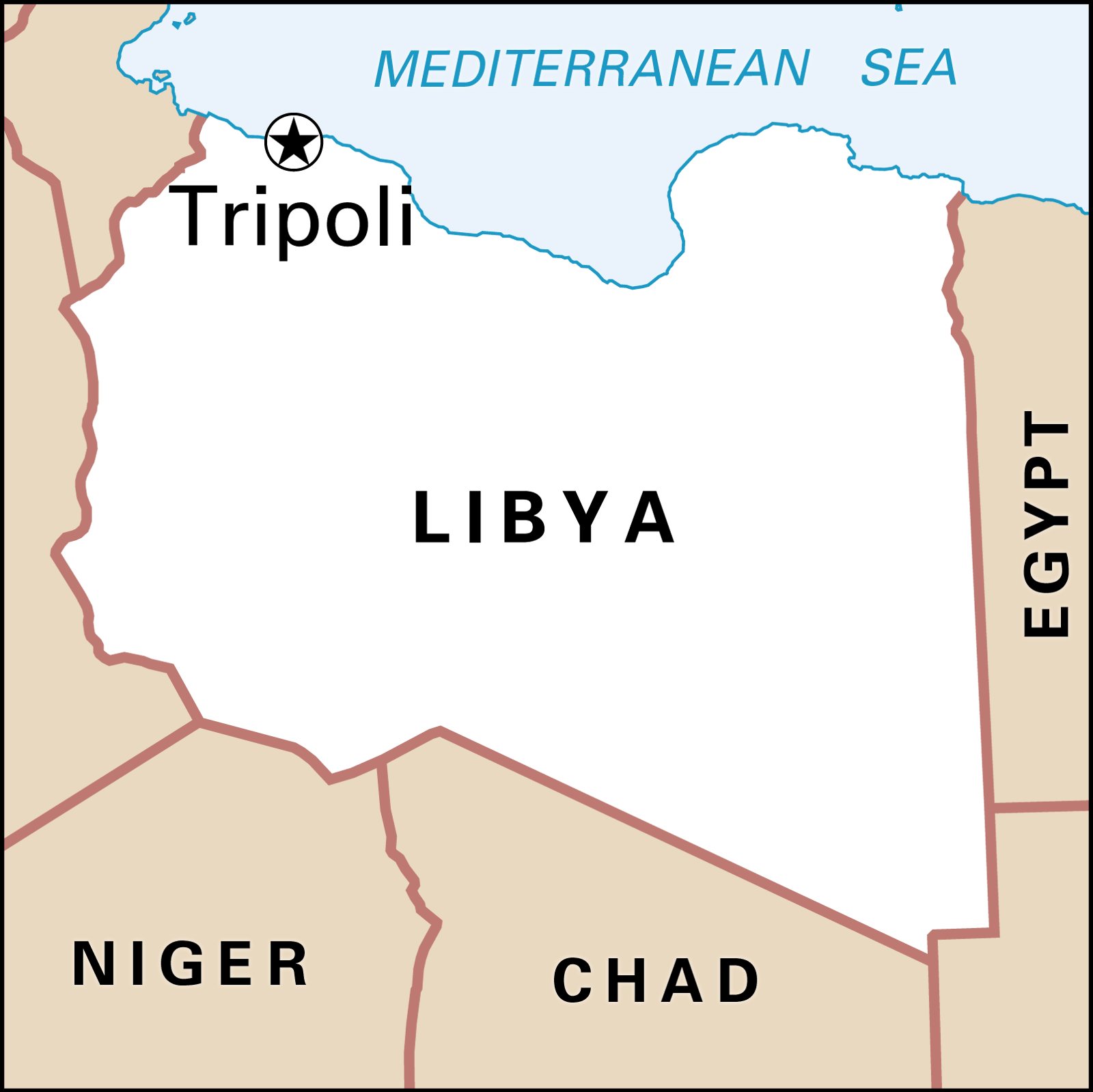
Tripoli, the capital city of Libya, is not only a political hub but also a site steeped in history and culture. With a history spanning over 2,500 years, the city has been a significant trade and cultural center in the Mediterranean. Understanding Tripoli is essential for grasping the broader context of North African politics, culture, and history, especially in light of recent events that have reshaped its landscape.
Historical Significance
Founded by the Phoenicians in the 7th century BC, Tripoli boasts a rich tapestry of influences, from Roman and Byzantine to Ottoman rule. Notable landmarks such as the Red Castle (Assai al-Hamra) and the ancient Roman ruins of Sabratha serve as testaments to its diverse history. The city played a crucial role in the trade networks of the ancient world, which have laid the foundation for its multifaceted identity today.
Recent Developments
In recent years, Tripoli has been at the center of significant political turmoil and conflict, particularly since the fall of Muammar Gaddafi in 2011. After a decade of instability, the city is now witnessing attempts at reconstruction and reconciliation. In October 2023, a UN-backed ceasefire agreement has led to a reduction in violence, allowing for a degree of normalcy to return to the city. The Libyan government has announced several initiatives aimed at revitalising Tripoli’s economy and infrastructure, which had suffered greatly during the years of conflict.
Current Challenges and Opportunities
While recent initiatives are promising, Tripoli still faces numerous challenges, including security issues, economic hardship, and the impacts of climate change. The government aims to bolster local governance and encourage foreign investment, which could provide a lifeline for the struggling local economy. Additionally, international efforts to improve security and promote peace in the region are central to ensuring long-term stability.
Conclusion
As Tripoli navigates its complex legacy and the challenges of rebuilding, it remains a poignant symbol of resilience. The city’s ability to harness its historical significance while adapting to contemporary challenges will be crucial for its future. For readers and those interested in Middle Eastern politics, keeping an eye on Tripoli’s developments will provide invaluable insights into the region’s dynamics. The journey ahead is fraught with obstacles, but the hope for a peaceful and prosperous Tripoli endures.
