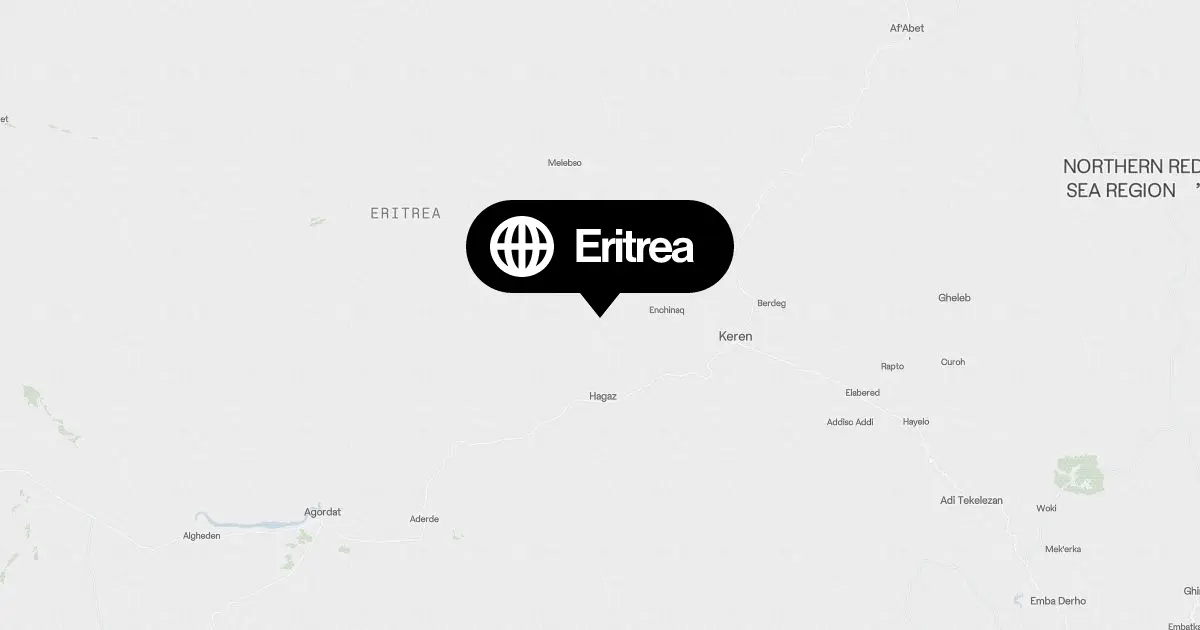
Introduction
Eritrea, a small but strategically significant country in the Horn of Africa, has garnered international attention due to its unique history and complex political situation. As tensions simmer in the region, understanding Eritrea’s past, its ongoing struggles, and its potential future is crucial for policymakers and interested observers worldwide.
A Brief Historical Overview
Eritrea gained independence from Ethiopia in 1993 after a protracted struggle spanning three decades. Its journey to nationhood was marked by a bitter war with Ethiopia that erupted immediately following its independence, culminating in a border conflict from 1998 to 2000. This war led to significant loss of life and deep-seated animosity between the two nations, impacting Eritrea’s development and international relations.
Current Political Landscape
Under the leadership of President Isaias Afwerki, who has been in power since independence, Eritrea has faced criticism for its record on human rights and political freedoms. The country is often described as one of the world’s most repressive regimes, with strict control over civil society and limited political pluralism. In recent years, there have been reports of forced conscription and arbitrary detentions, leading to a significant number of Eritreans seeking asylum abroad.
Recent Developments and Regional Impact
In 2018, a peace agreement was signed between Eritrea and Ethiopia, bringing hope for a new era of relations in the region. This development was seen as a potential turning point for Eritrea, paving the way for economic opportunities and greater regional stability. However, tensions with Ethiopia have not entirely dissipated, and the repercussions of these historical conflicts continue to shape both nations’ socio-political dynamics.
Conclusion
Eritrea’s role in the Horn of Africa remains crucial for regional stability and development. The peace initiative with Ethiopia offers a glimpse of hope; however, ongoing human rights concerns and domestic challenges pose significant hurdles. As the international community assesses Eritrea’s situation, a careful balancing act will be required to support the country’s aspirations for peace and prosperity while advocating for fundamental freedoms and human rights.
