Introduction
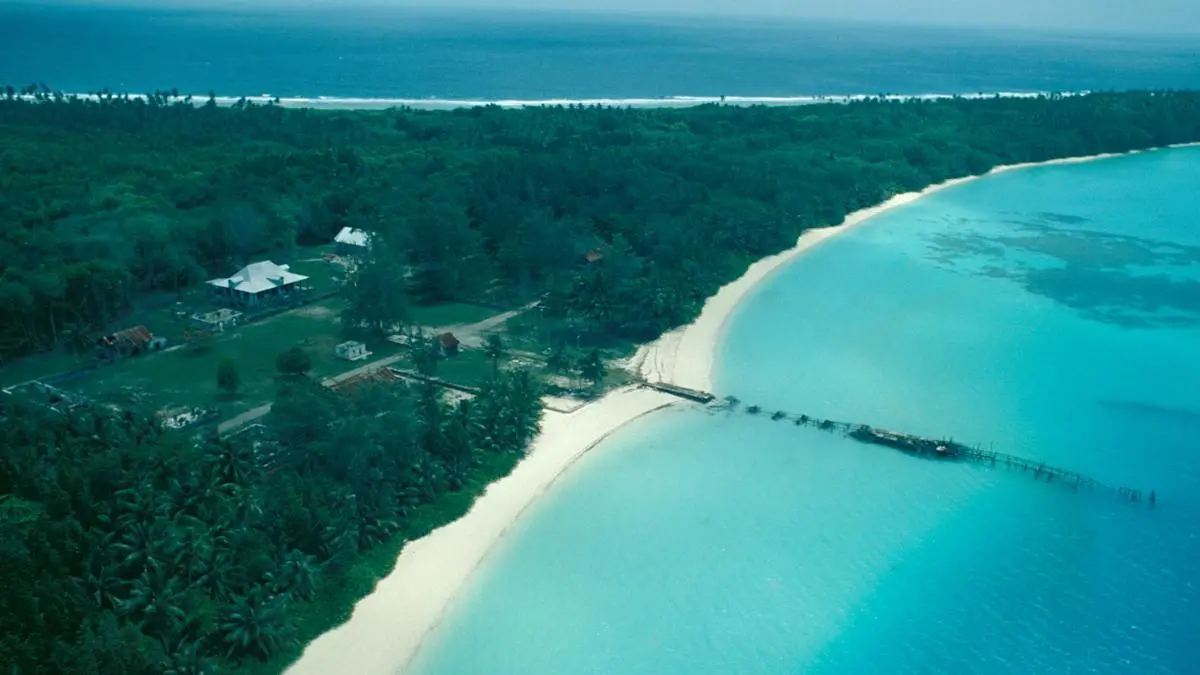
The Chagos Islands, located in the Indian Ocean, comprise a group of over 60 small islands and atolls, known for their stunning beaches and unique biodiversity. However, this archipelago has been at the centre of an international dispute for decades, primarily due to its strategic military importance and the impact of British colonial history on the indigenous population. As global attention increasingly focuses on decolonisation and human rights, understanding the significance of the Chagos Islands is essential in a geopolitical context.
Historical Context
The sovereignty of the Chagos Islands has been contested since the late 1960s when the United Kingdom separated the islands from Mauritius to establish a military base, Diego Garcia, which is of significant strategic importance to the US and UK armed forces. This move was accompanied by the forced removal of around 2,000 Chagossians, who were resettled to Mauritius and the Seychelles without adequate compensation or support. This disregard for the inhabitants’ rights has led to numerous legal battles and calls for justice.
Recent Developments
In recent years, there have been notable developments in the legal realm concerning the Chagos Islands. In 2019, the International Court of Justice (ICJ) issued an advisory opinion stating that the UK should end its control over the islands as it was contrary to international law. The United Nations General Assembly subsequently called on the UK to decolonise the archipelago, highlighting a significant shift in international opinion regarding colonial legacies.
Despite these rulings, the UK government maintains its position on the sovereignty of the territory, citing national security and its partnership with the US as primary reasons for retaining control. This ongoing stalemate continues to frustrate the Chagossians who seek to return to their homeland and reclaim their rights.
The Path Forward
The situation of the Chagos Islands is emblematic of broader post-colonial challenges faced by many territories worldwide. As discussions around reparations, migration rights, and historical injustices gain momentum, the plight of the Chagossians may rise further up the agenda of human rights discussions. It is vital for policymakers to consider the voices of the Chagossian people and explore potential resolutions that acknowledge historical wrongs while addressing contemporary geopolitical realities.
Conclusion
In summary, the Chagos Islands represent not just a geographical point of contention but a complex intersection of history, human rights, and international relations. As the global community becomes more engaged with issues of decolonisation and Indigenous rights, the narrative surrounding the Chagos Islands is likely to evolve, impacting both the residents and the geopolitical landscape of the Indian Ocean region.
