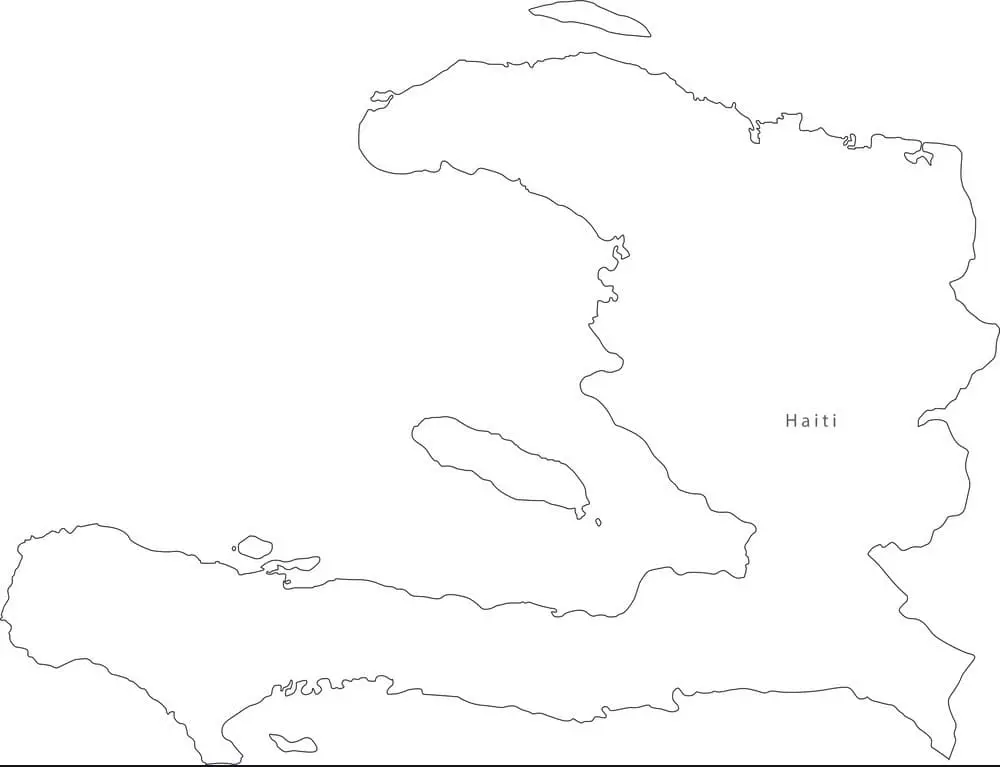
Introduction
Haiti, the first independent nation in Latin America and the Caribbean, is currently facing a multitude of challenges that affect its stability and development. Since its independence in 1804, Haiti has endured periods of political turmoil, economic difficulties, and natural disasters, but the recent situation has drawn significant international attention.
Political Unrest and Governance Crisis
The political landscape in Haiti has been marked by instability, particularly following the assassination of President Jovenel Moïse in July 2021. The absence of a functioning government has led to increased violence and insecurity, with armed gangs gaining power in various regions. According to reports from the United Nations, more than 60% of Port-au-Prince is now controlled by gangs, leading to widespread fear and displacement of citizens.
Humanitarian Crisis
In addition to political unrest, Haiti is grappling with a severe humanitarian crisis. Over 4.9 million people, approximately 45% of the population, are in urgent need of assistance, largely due to escalating violence, food insecurity, and natural disasters, such as the 2021 earthquake that caused immense destruction and loss of life. The World Food Programme estimates that 1.3 million people are on the brink of famine due to ongoing food shortages and rising prices.
International Response and Assistance
The international community has responded with various forms of assistance, but challenges remain significant. The United Nations has called for increased humanitarian aid and support, urging countries to contribute resources to help address the crisis. However, the effectiveness of aid is often hampered by corruption, lack of infrastructure, and ongoing violence in the country.
Conclusion
The situation in Haiti is complex and requires a multifaceted approach to address both the immediate needs and long-term stability. As the nation strives for a resolution to its political issues, there is hope for international collaboration and grassroots movements to foster sustainable development. The future of Haiti hinges on the ability of its leaders and the global community to work together to restore peace, security, and hope for its citizens.
