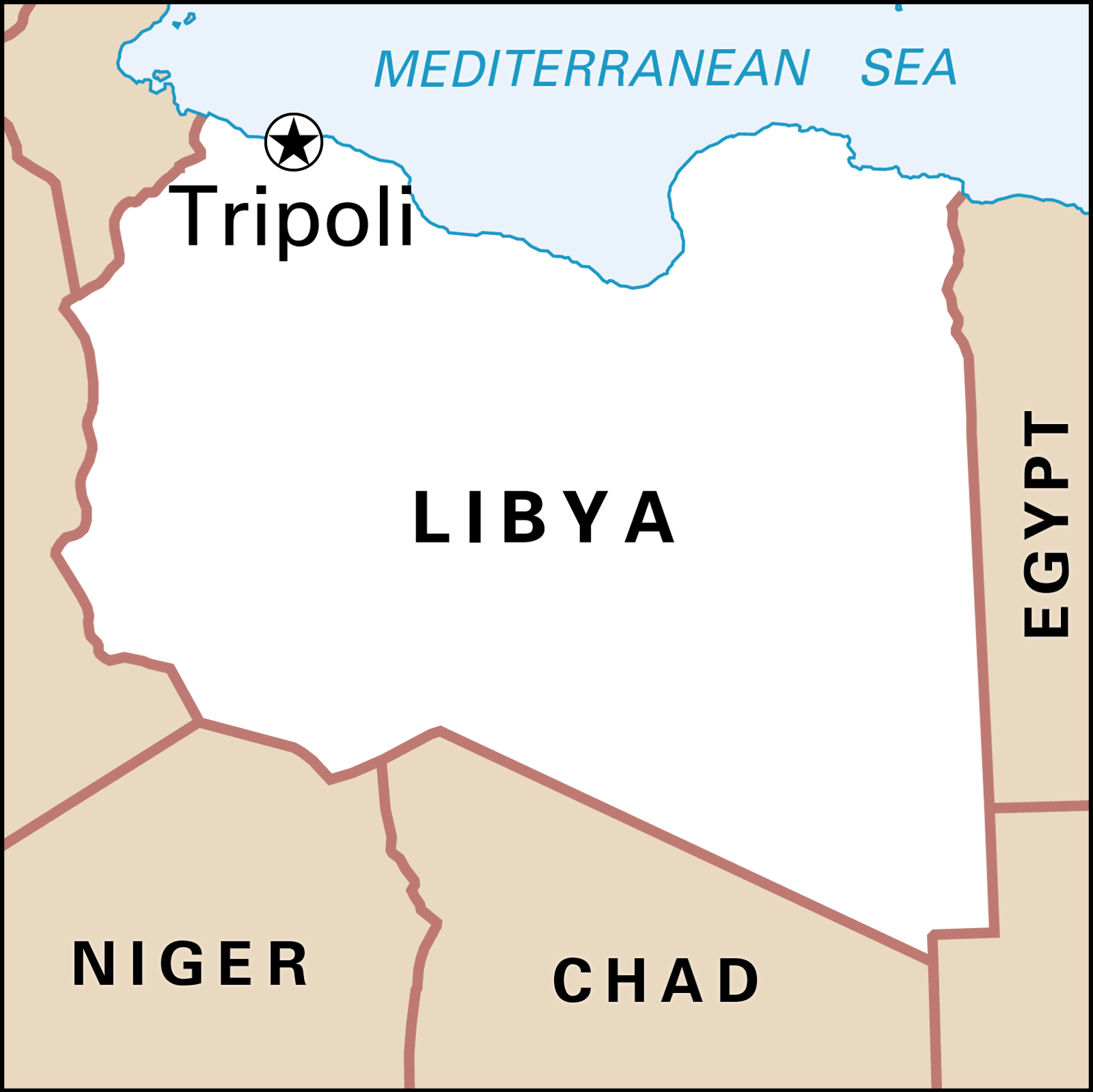
Introduction Tripoli, the capital city of Libya, is not only a political hub but also a site steeped in history and culture. With a history spanning over 2,500 years, the city has been a significant trade and cultural center in the Mediterranean. Understanding Tripoli is essential for grasping the broader context of North African politics, […]
The Current Landscape of Libya: Challenges and Developments
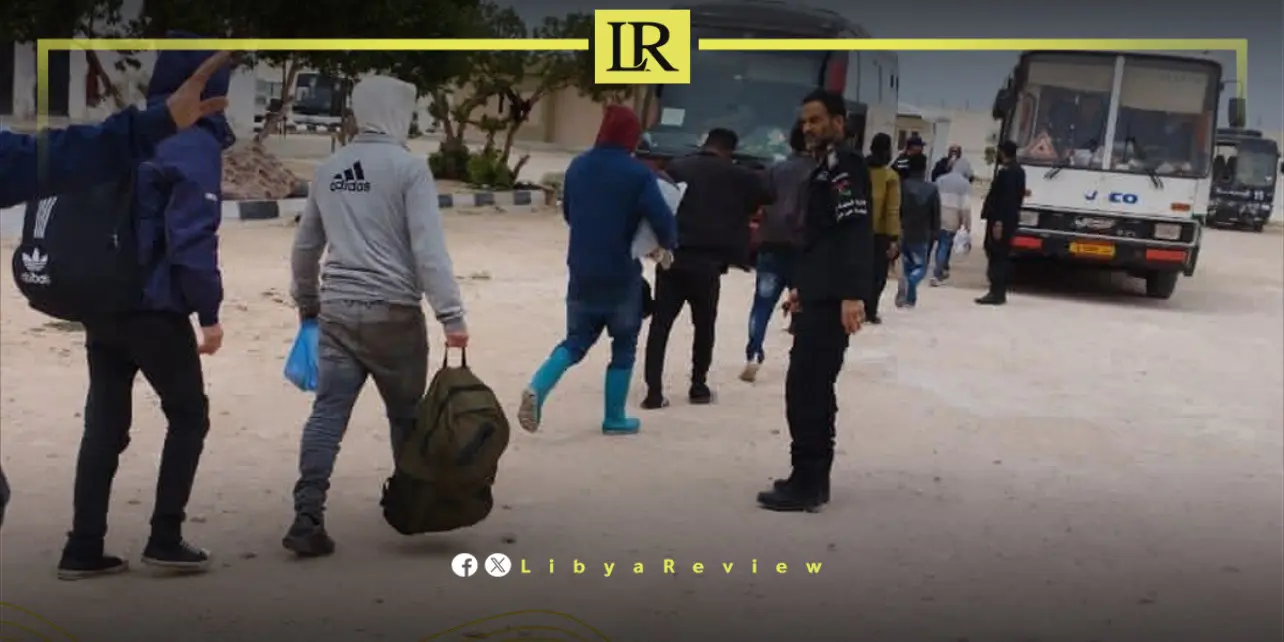
Introduction The situation in Libya remains critical as the nation grapples with ongoing political instability, economic challenges, and humanitarian crises. Since the overthrow of Muammar Gaddafi in 2011, Libya has struggled to find a cohesive government, with rival factions vying for control. Understanding these developments is essential given Libya’s strategic importance in North Africa and […]
The Complex Legacy of Gaddafi: Libya’s Former Leader
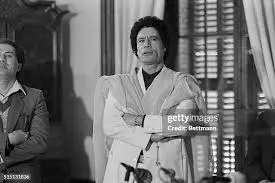
Introduction Muammar Gaddafi, the former leader of Libya, remains a formidable and controversial figure in the annals of modern history. His tenure, which spanned over four decades, has had lasting implications on Libya and beyond, shaping regional politics, economics, and social landscapes. Understanding Gaddafi’s impact is paramount as Libya continues to navigate post-revolutionary complexities following […]
Libya vs Cape Verde: A Comparative Analysis
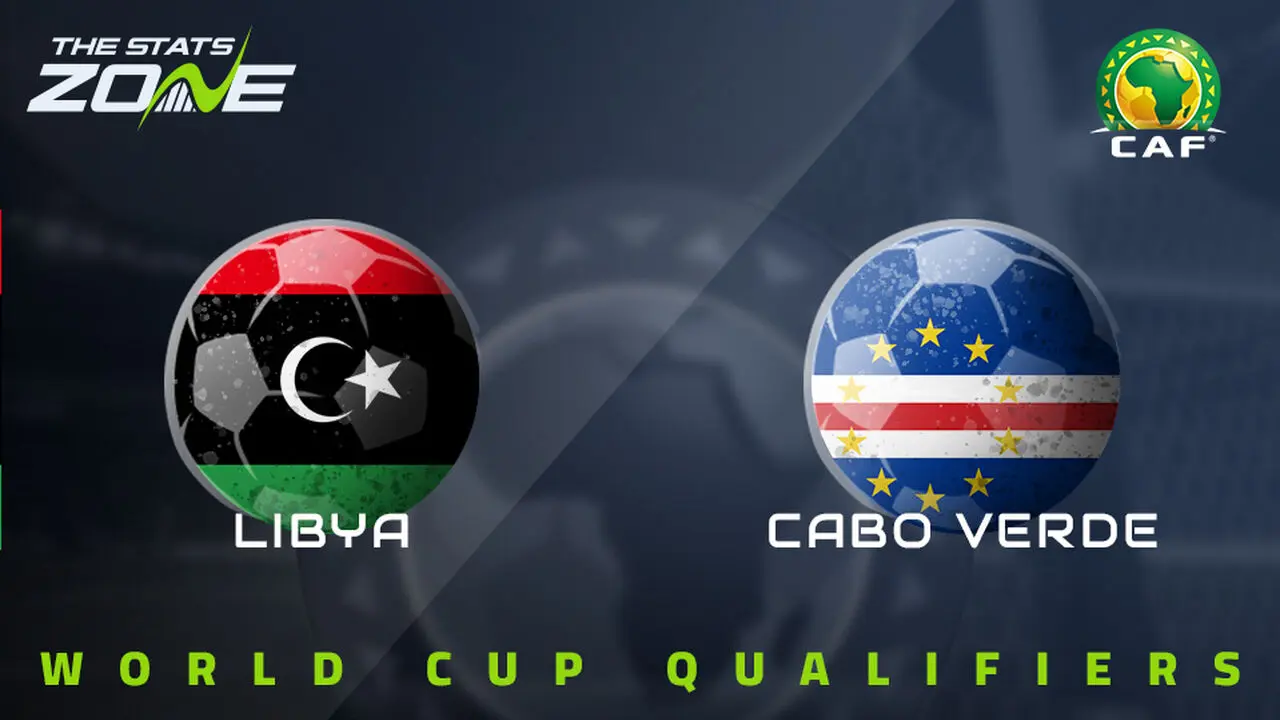
Introduction The geopolitical landscape of Africa continues to evolve, with various nations experiencing distinct challenges and opportunities. Specifically, the situation in Libya and Cape Verde presents an interesting comparison as both countries showcase unique narratives shaped by their history, geography, and socio-political dynamics. Understanding these differences and recent developments is vital for stakeholders in the […]