Introduction
The situation in Libya remains critical as the nation grapples with ongoing political instability, economic challenges, and humanitarian crises. Since the overthrow of Muammar Gaddafi in 2011, Libya has struggled to find a cohesive government, with rival factions vying for control. Understanding these developments is essential given Libya’s strategic importance in North Africa and its vast oil reserves, which are crucial not only for the national economy but also for global energy markets.
Political Developments
As of late 2023, Libya’s political landscape is characterised by the rivalry between two main governments: the Government of National Unity (GNU), led by Prime Minister Abdul Hamid Dbeibeh, and the Libyan National Army (LNA), headed by Khalifa Haftar. Attempts to unify these factions have largely stalled, with peace negotiations failing to yield a lasting resolution. In September 2023, a UN-brokered conference aimed at forging a consensus was marred by distrust and accusations of power grabs from both sides.
Economic Challenges
Libya’s economy continues to suffer due to the ongoing conflict and mismanagement of oil resources. Oil production, which accounts for over 90% of the national GDP, has fluctuated significantly due to blockades and unrest. As of October 2023, oil output is only at half of its potential, stalling economic recovery. Additionally, high inflation and unemployment rates exacerbate the plight of Libyan citizens, many of whom face daily struggles to afford basic necessities.
Humanitarian Issues
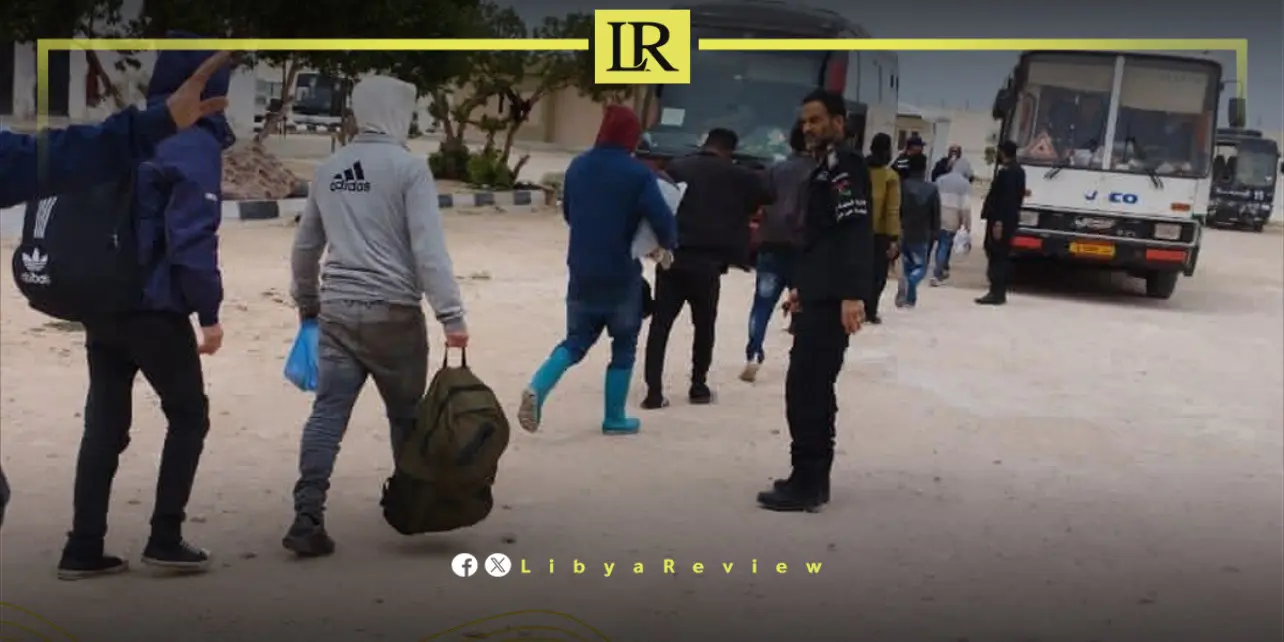
The humanitarian situation in Libya is dire. A recent report from the International Organisation for Migration (IOM) noted that over 1.3 million people in Libya are in need of assistance, with many displaced by ongoing conflicts. Access to medical care, education, and essential services has deteriorated, prompting international aid agencies to call for greater support. Furthermore, migrants and refugees transiting through Libya continue to be subjected to human rights abuses, making it imperative for the global community to address these issues.
Conclusion
The current landscape in Libya is marked by fragmentation, with underlying tensions affecting the political, economic, and humanitarian spheres. As conflicting parties remain entrenched and external influences complicate the situation, the prospect for a united and stable Libya seems distant. Looking ahead, the resolution will require sustained international engagement and support, alongside a commitment from Libyan leaders to prioritize national unity over individual ambitions. The international community must continue to advocate for peace and stability in this strategically important nation.
