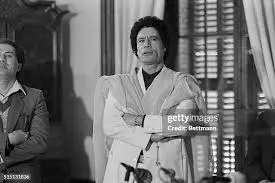
Introduction
Muammar Gaddafi, the former leader of Libya, remains a formidable and controversial figure in the annals of modern history. His tenure, which spanned over four decades, has had lasting implications on Libya and beyond, shaping regional politics, economics, and social landscapes. Understanding Gaddafi’s impact is paramount as Libya continues to navigate post-revolutionary complexities following his fall from power in 2011.
The Rise of Gaddafi
Born in 1942 in a Bedouin family, Gaddafi rose to prominence following a coup in 1969 that ousted King Idris I. Adopting a blend of Arab nationalism and socialism, he established a new political system anchored in his own ideology, known as the Third International Theory, which he outlined in his ‘Green Book’. Under his rule, Libya saw significant changes, including the nationalisation of oil resources, major investments in infrastructure, and a focus on pan-Arab unity.
Controversies and Global Impact
Despite his efforts to modernise Libya, Gaddafi’s regime was marked by human rights abuses, suppression of dissent, and a controversial foreign policy. Internationally, Gaddafi was implicated in several terrorist acts, most notably the 1988 Lockerbie bombing, which led to Libya facing comprehensive sanctions from the United Nations. His relationships with other controversial figures and regimes raised alarms globally and further isolated Libya.
Fall from Power
The Arab Spring of 2011 served as a catalyst for the popular uprising against Gaddafi’s rule, leading to a civil war that garnered international intervention. By August of that year, Gaddafi was captured and killed by rebel forces, marking a violent end to his four-decade reign. His death not only left a power vacuum in Libya but also ignited ongoing conflicts among various factions vying for control.
Conclusion: The Aftermath of Gaddafi’s Rule
Today, Libya continues to grapple with the repercussions of Gaddafi’s leadership and subsequent downfall. The nation is fragmented, facing challenges such as political instability, economic struggles, and the rise of armed groups. Gaddafi’s legacy is a complex one; his contributions to infrastructure and education are often overshadowed by his brutal governance and the chaos that ensued post-revolution. As Libya strives for unity and peace, Gaddafi’s story serves as a poignant reminder of the perils of absolute power and the enduring effects of political turmoil.
