Introduction
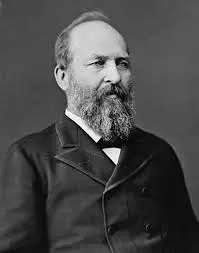
James Garfield, the 20th President of the United States, served a short but impactful term in the late 19th century. His presidency, though cut short by assassination, played a significant role in the post-Civil War era, influencing American politics and civil service reform. Understanding Garfield’s life, from his humble beginnings to his presidency, provides insight into the political landscape of the time and the challenges faced by a nation in recovery.
Early Life and Career
Born on November 19, 1831, in a log cabin in Moreland Hills, Ohio, Garfield’s early life was marked by poverty. However, his determination propelled him through school and eventually into Williams College, where he excelled academically. After graduating in 1856, he began a career as a teacher and later embarked on a political journey. Garfield served as a member of the Ohio State Senate and subsequently as a U.S. Congressman, where he advocated for issues such as education, civil rights, and the rights of African Americans.
Presidency and Achievements
Garfield was elected President in 1880 and took office on March 4, 1881. His presidency was marked by a commitment to civil service reform and combating political corruption. Garfield aimed to decrease the power of political patronage, advocating for a merit-based system. Despite his brief tenure, he made an impact by appointing reform-minded officials and pushing for reform legislation. However, his efforts were met with significant opposition from powerful factions within his own party.
Assassination and Legacy
Tragically, Garfield’s presidency was cut short when he was shot by Charles Guiteau, a disgruntled office seeker, on July 2, 1881. Garfield succumbed to his injuries on September 19, 1881, after a prolonged battle for life. His assassination brought national attention to the need for civil service reform and ultimately led to the Pendleton Civil Service Reform Act of 1883, which established a merit-based system for federal employment.
Conclusion
James Garfield’s life and presidency, though tragically brief, left a lasting legacy on American governance. His commitment to education and civil service reform continues to resonate today, reminding us of the importance of integrity in leadership. As the nation reflects on Garfield’s contributions, it is crucial to recognise the ongoing efforts to promote fairness and meritocracy in government, principles that he championed and for which he sacrificed his life. Garfield’s story serves as a poignant reminder of the vulnerabilities of democracy and the need for vigilance in safeguarding its principles.
