Introduction
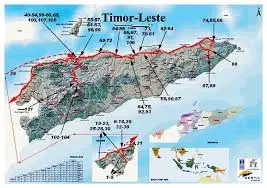
Timor Leste, also known as East Timor, is a small yet significant nation located in Southeast Asia. Gaining independence from Indonesia in 2002, Timor Leste has become a symbol of resilience and determination in the face of adversity. Its strategic location, rich culture, and youthful population make it a focal point for expansion in the region. As the world increasingly turns its eyes towards Southeast Asia, understanding the current situation and developmental prospects of Timor Leste is vital.
Current Situation
After decades of conflict, Timor Leste has made considerable strides toward recovery. The nation is endowed with vast natural resources, including oil and gas reserves that contribute significantly to its economy. According to the latest reports from the World Bank, the country’s GDP growth is projected at 5% for 2023, demonstrating resilience despite global economic challenges.
However, the nation still grapples with significant challenges. Unemployment remains high, and a considerable percentage of its population lives below the poverty line. The government is making efforts to diversify its economy beyond oil dependency, focusing on agriculture, tourism, and sustainable development. Moreover, the youth demographic, which constitutes about 60% of the population, is a double-edged sword: while it offers promising workforce potential, it also presents challenges in terms of employment and education.
International Relations
In terms of international relations, Timor Leste has made significant progress. It became a member of the United Nations in 2002 and has fostered alliances with neighbouring countries such as Indonesia and Australia, as well as engaging with larger nations like China and the United States for aid and investment. The recent signing of multiple bilateral agreements demonstrates the nation’s intent to solidify its role in the region.
Conclusion
In conclusion, Timor Leste is a nation characterised by its rich cultural history and significant challenges, but also marked by remarkable potential. As it continues on the path of recovery and growth, international support and strategic development are crucial. Observers and investors alike should take heed of Timor Leste’s progress—its journey beautifully encapsulates both the struggle and the hope of a nation determined to carve its place in the global landscape. The coming years will be pivotal for Timor Leste as it harnesses its youthful energy and resources to build a sustainable future.
