Introduction
World War 1, often referred to as the Great War, was one of the most significant conflicts in modern history, fundamentally reshaping the geopolitical landscape of the 20th century. Lasting from 1914 to 1918, it involved more than 30 countries and was marked by unprecedented levels of destruction and loss of life. Understanding this conflict is crucial not only to appreciate its historical significance but also to comprehend the numerous repercussions it had on subsequent global events.
The Prelude to War
The origins of World War 1 can be traced back to a complex web of alliances, militarism, imperialism, and nationalism that characterised Europe in the early 20th century. The assassination of Archduke Franz Ferdinand of Austria-Hungary in June 1914 set off a chain reaction, leading to the rapid mobilisation of military forces and the eventual declaration of war. Major powers were swiftly drawn into the conflict through pre-existing alliances, dividing them into two main factions: the Allies, including Britain, France, and Russia, and the Central Powers, led by Germany, Austria-Hungary, and the Ottoman Empire.
Key Events During the War
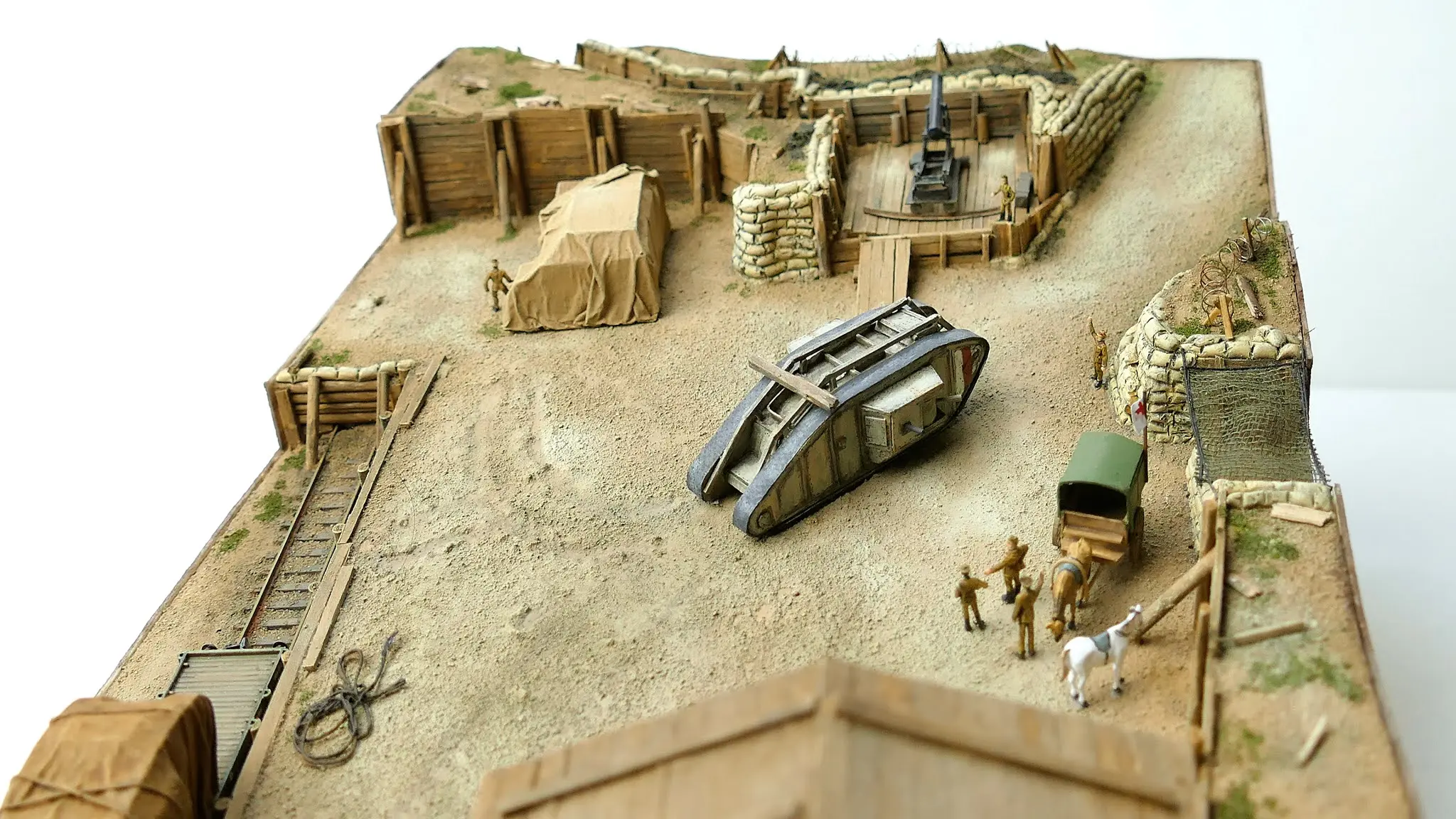
The war witnessed several pivotal battles that remain significant in military history. The Battle of the Somme in 1916 resulted in over one million casualties, highlighting the brutal nature of trench warfare and the devastating consequences of outdated military tactics. Additionally, battles such as Verdun and Gallipoli showcased the grim realities of warfare during this period. The use of advanced technology, including tanks, airplanes, and chemical weapons, marked a new era in combat, fundamentally changing the way wars would be fought in the future.
End of the War and Its Aftermath
World War 1 officially ended on November 11, 1918, with the signing of the Armistice. The Treaty of Versailles, signed in 1919, imposed heavy reparations on Germany and redrew national boundaries across Europe and the Middle East. These actions sowed the seeds for future discontent and ultimately contributed to the rise of World War 2. Furthermore, the war dramatically altered social and political structures worldwide, empowering movements for independence in various colonies and leading to significant changes in gender roles and societal norms as women entered the workforce in unprecedented numbers.
Conclusion
The legacy of World War 1 continues to impact global politics and society today. As we reflect on its historical significance, it serves as a reminder of the consequences of conflict and the importance of diplomacy. Understanding the complexities of this war helps current and future generations to recognise the value of peace and cooperation in an increasingly interconnected world.
