Introduction
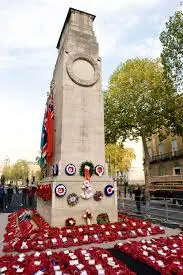
The Cenotaph, located at Whitehall in London, stands as a solemn symbol of remembrance for the sacrifices made by armed forces during wartime. This iconic war memorial holds profound significance not only for the United Kingdom but also for nations around the world. Its annual observance, particularly on Remembrance Sunday, draws thousands who pay tribute to those who have served and lost their lives in conflict.
Historical Context of the Cenotaph
Designed by Sir Edwin Lutyens, the Cenotaph was originally erected in 1920 as a temporary monument. However, its poignant design and deep emotional resonance led to it becoming a permanent fixture by 1927. The term “Cenotaph” itself comes from the Greek words meaning “empty tomb,” which is fitting as the monument represents all the soldiers who do not have a specific grave to visit.
Commemoration and Events
Each year, the Cenotaph becomes the focal point of various commemorative ceremonies, notably the National Service of Remembrance on the second Sunday of November. During this service, wreaths are laid at the base of the monument, and a two-minute silence is observed at 11 am, allowing the nation to collectively reflect on the sacrifices made by its military personnel. This gathering includes dignitaries, veterans, and members of the royal family, highlighting the Cenotaph’s role in fostering national unity and remembrance.
Modern Significance
The continued relevance of the Cenotaph can be seen in various initiatives aimed at enhancing public understanding of its history and purpose. Educational programmes have been introduced in schools to teach younger generations about the significance of the memorial and the broader context of warfare and peace. Moreover, the ongoing discussions surrounding the evolution of remembrance practices, including calls for inclusivity to represent all conflicts, are integral to how society engages with the legacy of war.
Conclusion
The Cenotaph remains a powerful reminder of the sacrifices made by countless individuals. As the complex nature of conflict continues to evolve, so too does the way we commemorate and understand those sacrifices. For future generations, the Cenotaph will likely continue to serve as a space for reflection, remembrance, and respect for the values that unite us as a society. Engaging with this historic memorial is crucial for fostering a culture of remembrance that acknowledges the past while promoting peace for the future.
