Introduction
The date September 11, 2001, marks a pivotal moment in world history. The events of this day not only changed the United States but also had profound implications for international relations, security policies, and public consciousness worldwide. Understanding the significance of 9/11 involves more than just knowing the year—it encompasses the broader context of terrorism, emergency response, and global geopolitics.
What Happened on September 11, 2001?
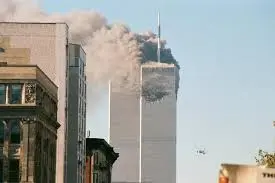
On that fateful day, a series of coordinated terrorist attacks carried out by the Islamist extremist group al-Qaeda resulted in the deaths of nearly 3,000 people. Four commercial airliners were hijacked: two were flown into the Twin Towers of the World Trade Center in New York City, causing their eventual collapse, while a third plane hit the Pentagon, the headquarters of the U.S. Department of Defense. The fourth aircraft, United Airlines Flight 93, crashed into a field in Pennsylvania after passengers attempted to overcome the hijackers.
The Immediate Aftermath
The immediate aftermath of 9/11 was characterised by widespread shock, mourning, and confusion. In the days following the attacks, the United States launched a military response, initiating the War on Terror, which included operations in Afghanistan to dismantle al-Qaeda and remove the Taliban from power. The events of that day led to significant changes in U.S. and global security policies, including the establishment of the Department of Homeland Security and new regulations on air travel security.
Long-Term Consequences
In the years that followed, 9/11 has continued to influence international relations, domestic policies, and societal attitudes towards terrorism. It resulted in a reevaluation of U.S. foreign policy and military strategy, leading to prolonged military engagements in the Middle East and increased tensions in various regions. The attacks also sparked a rise in anti-Muslim sentiment and a national discourse on civil liberties versus security measures.
Conclusion
The significance of 9/11 extends far beyond the year in which it occurred. Its impact can still be felt more than two decades later, shaping discussions around national security, foreign policy, and civil rights. As we reflect on this crucial historical moment, it is essential for current and future generations to understand its lessons and continue to examine its relevance in today’s context, particularly in an evolving geopolitical landscape. Remembering the events of that day helps ensure that we remain vigilant against threats to peace and democracy worldwide.
