Introduction
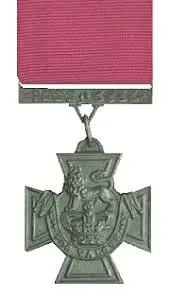
The Victoria Cross (VC) is the highest military decoration awarded for valour in the face of the enemy in the United Kingdom and Commonwealth nations. Established in 1856, the VC serves not only as a prestigious decoration but also as a reminder of the bravery and sacrifice of those who serve in the armed forces. This medal holds significant historical and cultural importance, symbolising the ultimate recognition of courage and selfless acts.
Significance and History
The Victoria Cross was first introduced by Queen Victoria to honour acts of bravery during the Crimean War. Made from the bronze of cannons captured at Sebastopol, the VC has since been awarded to around 1,350 individuals, with the decorations reflecting extreme courage ranging from single acts of heroism to long-term commitment under duress.
What sets the Victoria Cross apart from other military awards is its criteria. It is awarded for exceptional bravery that involves risking one’s life during combat. The medal can be awarded to any member of the armed forces, irrespective of rank or service, which reinforces the ethos of heroism being accessible to all.
Recent Awards and Recognitions
In recent years, the VC has continued to be awarded sparingly, underlining the rare nature of the bravery it represents. For instance, the recent award of the Victoria Cross to Captain Tom Moore has garnered widespread attention. His acts during World War II and his subsequent charity efforts during the COVID-19 pandemic highlighted the ongoing respect and admiration for those who service the nation.
Furthermore, the continuing contributions by veterans in modern conflicts such as Afghanistan and Iraq emphasize how the notion of bravery evolves, highlighting a spectrum of actions deserving recognition from physical acts on the battlefield to sacrifices made away from direct combat.
Conclusions and Significance
The Victoria Cross remains an enduring symbol of heroism and dedication in the British armed forces and beyond. As society evolves, so does the understanding of bravery, suggesting that while the context of conflicts may change, the underlying values of courage and service remain constant. It serves as a poignant reminder to the public of the sacrifices made by servicemen and women, urging a respect that extends beyond mere commemoration.
As we look to the future, the story of the Victoria Cross will undoubtedly continue to grow, alongside the bravery of those who serve and protect. Recognising these heroes is vital not just for historical purposes but to inspire future generations toward courage and selflessness in both military and civilian life.
