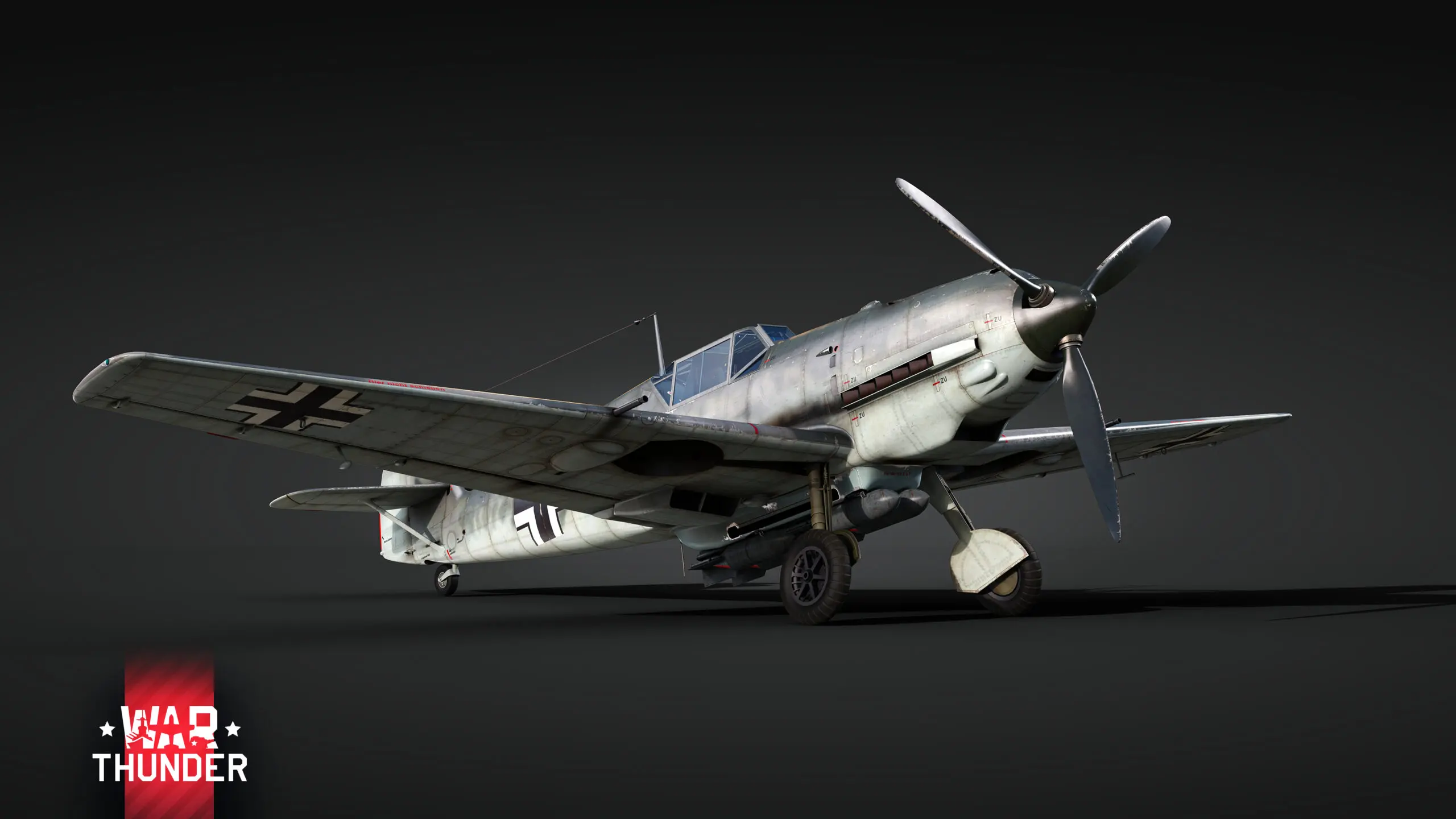
Introduction
World War II, a monumental conflict that lasted from 1939 to 1945, reshaped the global landscape and profoundly affected the course of history. With over 70 million casualties, it is one of the deadliest conflicts in human history and continues to hold great relevance today. Understanding the causes, events, and consequences of the war is crucial for grasping the complexities of modern geopolitics.
Key Events Leading to the War
The roots of World War II can be traced back to the unresolved issues emanating from World War I and the Treaty of Versailles. Economic turmoil and political instability in Germany allowed Adolf Hitler and the Nazi Party to rise to power. Hitler’s expansionist policies, including the annexation of Austria and the invasion of Czechoslovakia, alarmed Western democracies, yet initial appeasement failed to deter his ambitions. The invasion of Poland on September 1, 1939, ultimately triggered the war as Britain and France declared war on Germany.
Major Battles and Strategies
Throughout the conflict, several critical battles defined military strategies and outcomes. The Battle of Britain (1940), which saw the Royal Air Force defend against the Luftwaffe, showcased the importance of air power. In the Eastern Front, the Battle of Stalingrad (1942-1943) marked a significant turning point as the Soviet Union halted and began pushing back the German advance. Meanwhile, the D-Day landings in Normandy (1944) opened a new front, allowing Allied forces to gain a foothold in Western Europe.
The Home Front and Global Impact
World War II was not just a battlefield conflict; it significantly affected civilian life. Resources were redirected to support the war effort, leading to rationing and changes in social structures. Women entered the workforce in unprecedented numbers, shattering traditional gender roles and laying the groundwork for future social changes. The war also catalysed the decolonisation movement around the world, as colonial powers weakened and anti-colonial sentiments rose.
Consequences and Legacy
The aftermath of World War II saw the establishment of the United Nations in an effort to foster international cooperation and prevent future conflicts. The war also resulted in the division of Europe, leading to the Cold War between the Soviet Union and the United States. Recovery efforts like the Marshall Plan aimed to rebuild war-torn Europe and curb the spread of communism. Today, the lessons learned from World War II remain relevant as nations navigate complex global challenges and seek to maintain peace.
Conclusion
World War II was a defining event that not only shaped the 20th century but continues to influence contemporary society. As we study its causes, strategies, and aftermath, it is imperative to remember the sacrifices made and the lessons learned. Understanding this global conflict fosters a deeper appreciation of the ongoing pursuit of peace and cooperation among nations.
