Introduction
London Bridge is not just an iconic structure; it represents the heart of London, connecting diverse communities and rich histories. Its importance extends beyond its physical presence, serving as a vital link for transport and trade over centuries. In an era of rapid urban development and increasing population density, understanding the significance and evolution of London Bridge is more relevant than ever.
Historical Background
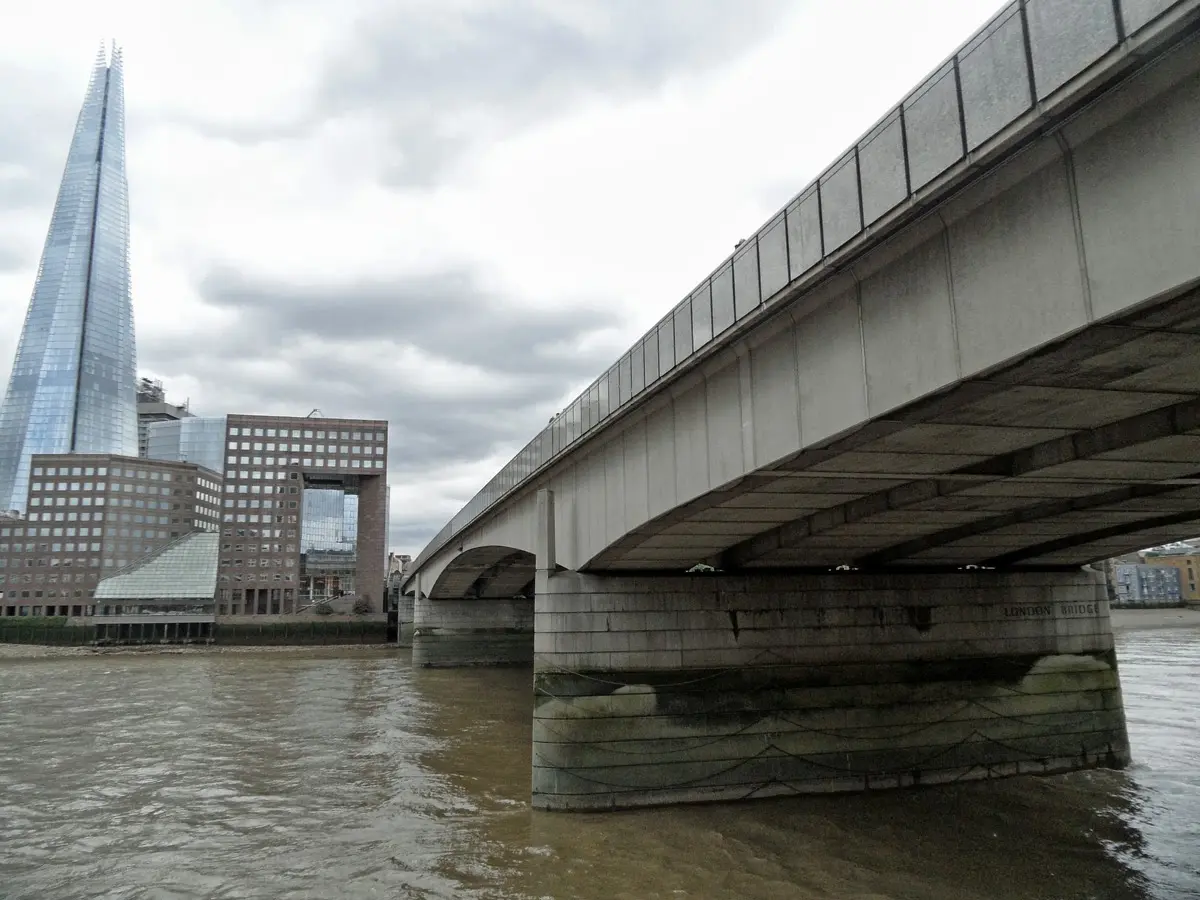
With its history dating back to the Roman times, London Bridge has been the site of multiple constructions and renovations. The most iconic version was opened in 1973, a modern concrete and steel design by architect Lord Holford. This bridge replaced not just an older structure but an entire way of life, serving as a vital artery for commuters and tourists alike.
Recent Developments
In recent months, London Bridge has undergone significant renovations aimed at improving its infrastructure and enhancing the surrounding public spaces. Initiatives include the addition of greener spaces, improved pedestrian access, and updated amenities designed to foster tourism and local engagement. The project is part of a broader urban regeneration strategy poised to elevate the area’s appeal further.
Cultural Significance
Beyond its architectural aspects, London Bridge holds substantial cultural significance. It has been featured in various forms of media, from songs to literature, making it a staple of British culture. Moreover, it plays a central role in the annual Thames Festival, which celebrates the cultural and historical importance of the river and its landmarks.
Conclusion
As London continues to evolve, so too does its emblematic bridge. The recent developments and ongoing projects signal a commitment to preserving its historical significance while adapting to contemporary urban needs. For residents and visitors, London Bridge stands as a testament to the city’s rich heritage and its promising future. As it transforms alongside London’s burgeoning metropolis, it remains a critical connector, symbolizing the ongoing narrative of a city steeped in history and innovation.
