Introduction
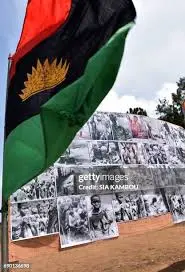
The topic of Biafra holds significant historical and socio-political relevance in Nigeria. Emerging as a symbol of self-determination and ethnic identity, Biafra represents the aspirations of the Igbo people, one of Nigeria’s largest ethnic groups. The quest for independence led to a brutal civil war from 1967 to 1970, leaving a marked impact on Nigerian history that continues to influence contemporary political discourse.
Historical Background
Biafra was declared an independent republic on May 30, 1967, by Colonel Odumegwu Ojukwu, following a series of coups and rising tensions between the northern and southern regions of Nigeria. The declaration was mainly driven by the economic and political marginalisation of the Igbo people and the escalating violence towards them in the north. The subsequent civil war, known as the Biafran War, resulted in widespread starvation and approximately two million deaths, primarily due to the blockade imposed by the Nigerian federal government.
Current Developments
In recent years, the struggle for Biafra has resurfaced through peaceful agitation and protests spearheaded by organisations like the Indigenous People of Biafra (IPOB). Advocates argue that, despite the civil war ending over five decades ago, the Igbo people continue to face socio-political injustices. The IPOB’s leader, Nnamdi Kanu, has been a vocal critic of the Nigerian government, drawing attention to issues such as police brutality and economic disparities.
Concerning the current state of agitation for Biafra, there have been numerous clashes between IPOB members and Nigerian security forces, leading to heightened tensions in the southeastern region of Nigeria. As of late 2023, discussions around autonomy for the Igbo people and the demand for a referendum on independence continue to circulate in both local and international media, igniting debates on human rights and self-determination.
Conclusion
The historical significance of Biafra remains poignant in Nigeria’s narrative. As the country grapples with issues of governance, security, and national unity, the Biafran question persists, reflecting broader themes of inclusion and social justice. Understanding Biafra allows for a more nuanced perspective on Nigeria’s complex socio-political landscape, ensuring that the narratives of marginalised groups are acknowledged and addressed in the pursuit of national cohesion. The ongoing discussion surrounding Biafra presents opportunities for dialogue and reform, essential for healing historical wounds and fostering unity within Nigeria.
