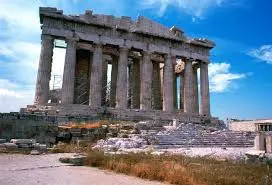
Introduction to the Parthenon
The Parthenon, a symbol of Ancient Greece and Athenian democracy, stands majestically on the Acropolis of Athens. Constructed in the 5th century BC, it was dedicated to the goddess Athena, whom the people of Athens considered their patroness. The significance of the Parthenon extends beyond its physical grandeur; it embodies the cultural and political achievements of Classical Athens and influences art and architecture throughout history.
The Historical Context
The construction of the Parthenon began in 447 BC during the height of the Athenian Empire, under the leadership of the statesman Pericles. Designed by architects Ictinus and Callicrates, with the sculptor Phidias overseeing its artistic adornments, the Parthenon represents the pinnacle of Doric architecture. The temple was built using exquisite marble from Mount Pentelicus, showcasing the remarkable craftsmanship of the time.
The Parthenon served multiple purposes: it was a religious temple, a treasury, and a symbol of Athenian power. The statue of Athena Parthenos, crafted by Phidias, originally graced the temple’s interior, further establishing its sacred importance. Over the centuries, the Parthenon has endured various transformations, having been converted into a Christian church and later a mosque during the Ottoman Empire.
Architectural Features
The Parthenon is renowned for its architectural innovations, including its use of entasis—slight curvature in columns to counteract optical illusions—making it a marvel of engineering. The temple’s stunning friezes, metopes, and pediments depict significant mythological battles, illustrating the cultural narratives that were central to Athenian identity. The building measures 69.5 meters in length and 30.9 meters in width, radiating both power and grace.
Current Relevance
Today, the Parthenon is not only an archaeological site but also a symbol of Western civilization’s ideals of democracy and artistic expression. It draws millions of visitors each year, reflecting its lasting cultural significance. Recent restoration efforts have been undertaken to preserve this ancient monument, highlighting ongoing debates about heritage, conservation, and the repatriation of its relics, particularly the Elgin Marbles held in the British Museum.
Conclusion
The Parthenon remains a profound testament to Ancient Greece’s achievements and its enduring legacy on contemporary art and society. As it stands resilient against the passage of time, it continues to inspire awe and fascination. Its role as a cultural and historical icon serves as a reminder of the values and aspirations that define human civilization, urging us to cherish and protect our shared heritage.
