Introduction
The Hillsborough Disaster, which occurred on 15 April 1989, holds a significant place in UK sports history, representing not only a tragic loss of life but also a watershed moment for safety and accountability in football stadiums. As the nation reflects on the 34th anniversary of the event, it is imperative to revisit the details, its aftermath, and the vital changes it prompted within the sport and society.
The Events of that Fateful Day
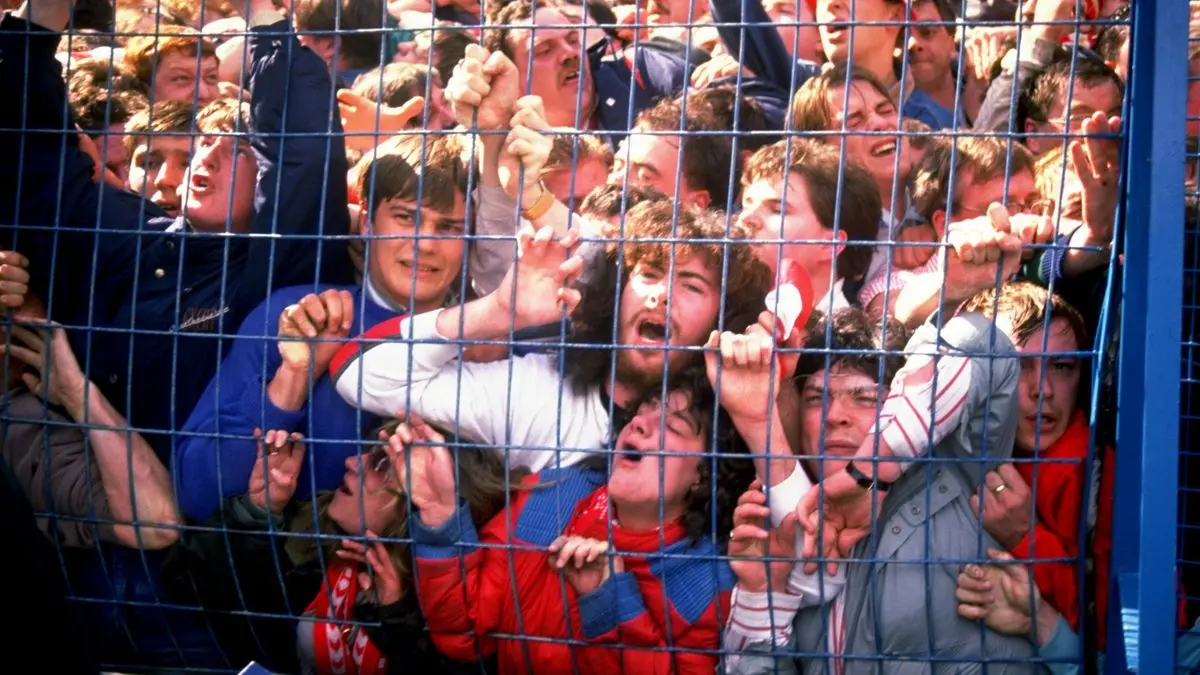
The disaster unfolded during the FA Cup semi-final match between Liverpool and Nottingham Forest at Hillsborough Stadium in Sheffield. A crowd surge in the Leppings Lane stand resulted in the deaths of 96 Liverpool supporters, making it one of the deadliest disasters in British sporting history. Fans were crushed against barriers, and despite many efforts, lives were lost due to overcrowding.
Immediate Aftermath and Investigation
In the wake of the tragedy, the response was marred by severe mismanagement, sparking public outrage. Initial police reports inaccurately blamed the fans for the disaster, leading to widespread misinformation and a protracted battle for truth and justice. Subsequent investigations, including the Taylor Report published in 1990, highlighted critical safety failings such as inadequate crowd control and poor facility design.
Long-term Impact and Legal Proceedings
As years passed, the families of the victims fought tirelessly for justice. Their efforts culminated in new inquests, ultimately concluding in 2016 that the 96 fans had been unlawfully killed. These findings prompted calls for accountability and led to significant reforms in stadium safety regulations and policies, promoting better crowd management practices across the UK.
Commemoration and Legacy
The Hillsborough Disaster’s legacy extends beyond the immediate tragedy. Each year, the anniversary is marked by memorial services in memory of the victims, accompanied by a collective plea for justice and a commitment to ensuring such a tragedy never occurs again. The impact has shaped not only football but also emergency response protocols in large public events across various sectors.
Conclusion
The Hillsborough Disaster serves as a stark reminder of the fragility of safety during major sporting events and the importance of accountability. As we reflect on this fatefully significant event, it is essential to honour the memories of those lost and continue advocating for changes that will protect fans in the future. Let this serve as an enduring call for vigilance, empathy, and change within our communities.
