Introduction
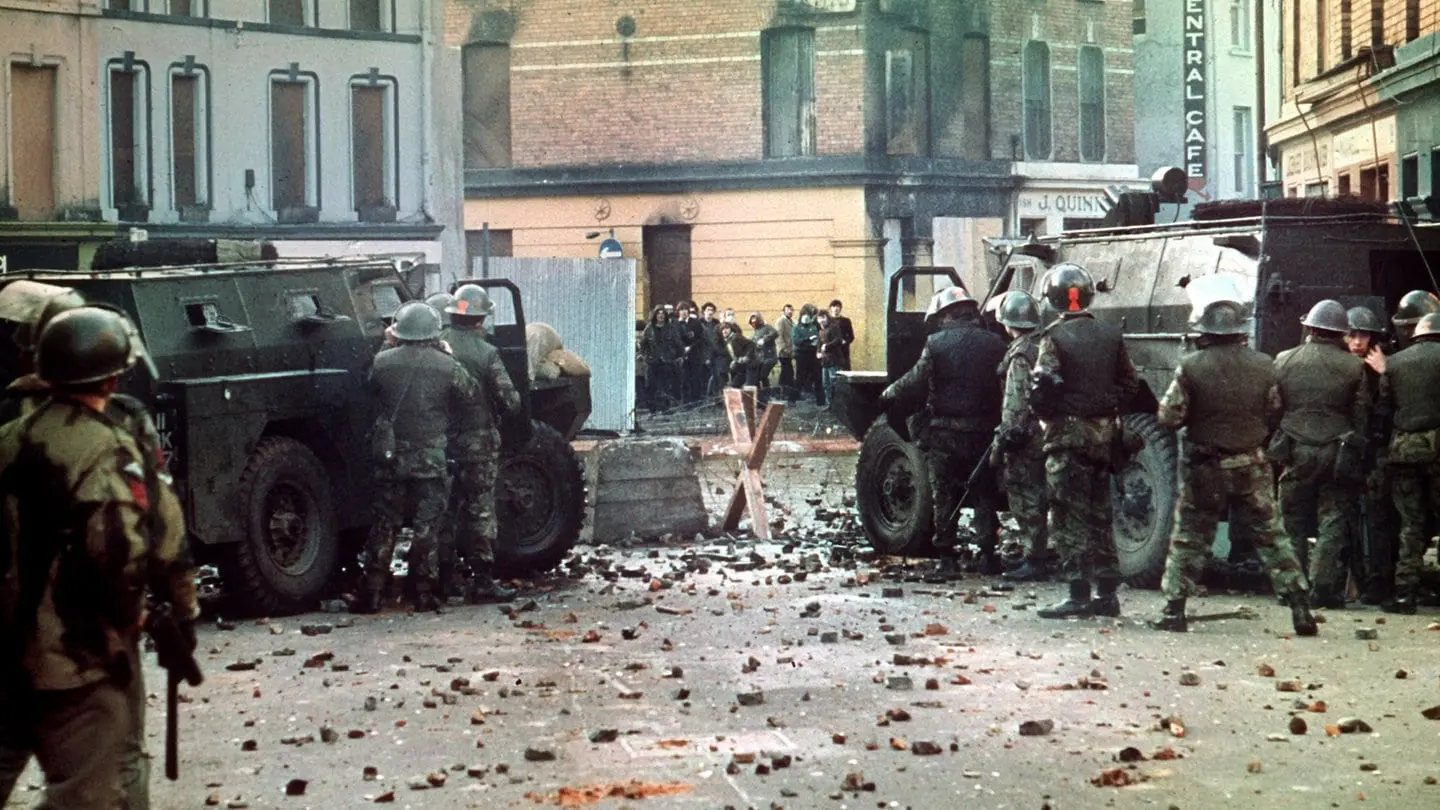
On January 30, 1972, a tragic event known as Bloody Sunday took place in Derry, Northern Ireland, marking a turning point in the history of the Troubles—a violent conflict rooted in deep-seated political and sectarian divisions. The significance of this day has resonated through decades, shaping public perception and influencing political efforts for peace in Northern Ireland.
The Events of Bloody Sunday
On that fateful Sunday, thousands of residents participated in a civil rights march organised by the Northern Ireland Civil Rights Association to protest against the internment of suspected IRA members without trial. The march, peaceful in nature, sought to highlight the injustices faced by the Catholic community in a predominantly Protestant state.
However, the day turned catastrophic when British soldiers from the Parachute Regiment confronted the marchers in the Bogside area of Derry. What followed was a series of violent clashes, resulting in the deaths of 14 unarmed civil rights demonstrators and injuries to many others. Eyewitness accounts reported that many of the deceased were shot while fleeing or aiding others who were hurt.
Immediate Aftermath and Investigations
The immediate aftermath of Bloody Sunday saw widespread outrage and protests in Derry and across the Northern Ireland. The British government’s initial response was to deny any wrongdoing, attributing the violence to the marchers. However, public sentiment shifted dramatically, with many seeing this act as a blatant injustice inflicted upon the vulnerable.
Inquiries were initiated, including the Widgery Inquiry, which controversially concluded that the soldiers acted in self-defence, a finding that was heavily debated and discredited by many. It wasn’t until the establishment of the Saville Inquiry in 1998 that a more comprehensive investigation took place, culminating in a 2010 report which unequivocally stated that the victims were innocent and not posing any threat to the soldiers.
Legacy and Ongoing Significance
Bloody Sunday has had a profound and lasting impact on Northern Irish society. It acted as a catalyst for increased recruitment to the IRA and intensified the armed conflict for years to come. The event remains a focal point of memory and commemoration, particularly among nationalist communities, and has been the subject of numerous artistic, literary, and historical reflections.
In recent years, ongoing discussions about truth, reconciliation, and justice in Northern Ireland have kept Bloody Sunday in the public consciousness. As both the younger and older generations reflect on the past, it serves as a reminder of the importance of dialogue and peacebuilding in a region still healing from the scars of conflict.
Conclusion
Bloody Sunday 1972 is more than a date in history; it represents a critical moment that reshaped the trajectory of Irish politics and society. Understanding its significance is vital for acknowledging the complexities of the Troubles and the ongoing quest for peace in Northern Ireland. As history continues to unfold, learning from these events remains essential in preventing future conflicts.
