Introduction
John Fitzgerald Kennedy, commonly known as JFK, was the 35th President of the United States, serving from January 1961 until his assassination in November 1963. His presidency, though tragically short, was marked by significant events and transformative policies that continue to influence American society and politics today. Understanding JFK’s legacy is essential as it provides insight into contemporary issues such as civil rights, foreign policy, and public service ideals.
Significant Events During JFK’s Presidency
JFK’s term in office was defined by various extraordinary moments. Perhaps one of the most defining events was the Cuban Missile Crisis in 1962, where the world stood on the brink of nuclear war. Kennedy’s strategic decisions during this period not only helped to resolve the crisis but also showcased a shift in how American leadership approached international tensions.
Additionally, JFK was a strong advocate for civil rights. His presidency saw the introduction of initiatives aimed at ending segregation and promoting equality. In June 1963, he delivered a powerful speech at the University of Washington, directly addressing civil rights issues and the need for comprehensive legislation, which laid the groundwork for the Civil Rights Act of 1964.
Economic Policies and the Space Race
JFK also focused on economic advancement and a robust space programme, famously declaring the goal of sending a man to the Moon by the end of the 1960s. This decision not only spurred technological and educational investments but also fostered a sense of national pride and determination that resonated with Americans. The successful landing on the Moon in 1969, following JFK’s vision, stands as a hallmark of American ingenuity and ambition.
The Assassination and Its Aftermath
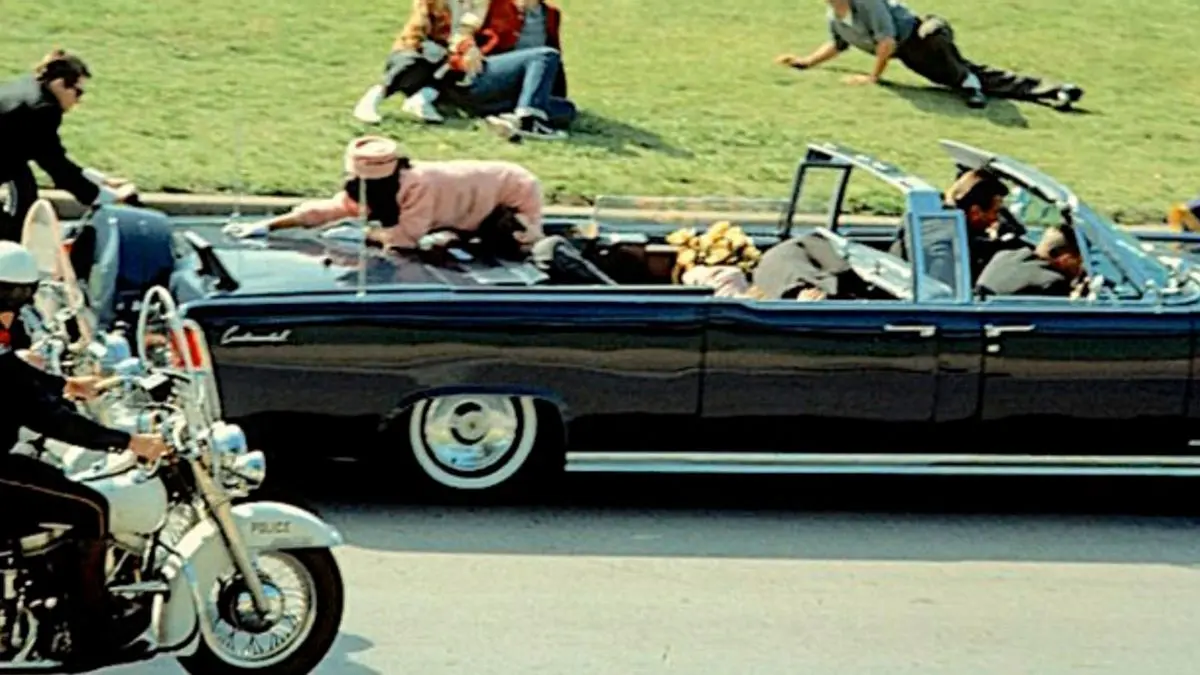
Tragically, Kennedy’s presidency ended abruptly when he was assassinated in Dallas, Texas, on November 22, 1963. His death sent shockwaves across the nation and the world. The ensuing investigations and conspiracy theories surrounding his assassination have led to a lasting impact on American political life, including a heightened sense of skepticism toward government transparency and accountability.
Conclusion
JFK’s legacy is complex and multifaceted. He remains a symbol of youthful optimism and the potential for change in America. As we reflect on his contributions and the historical context of his presidency, it is clear that his influence persists in contemporary discourse around leadership, civil rights, and national purpose. Though nearly six decades have passed since his death, JFK’s ideals of service, hope, and progress continue to inspire new generations of Americans to engage in their democratic processes, seek justice, and strive for a better future.
