Introduction
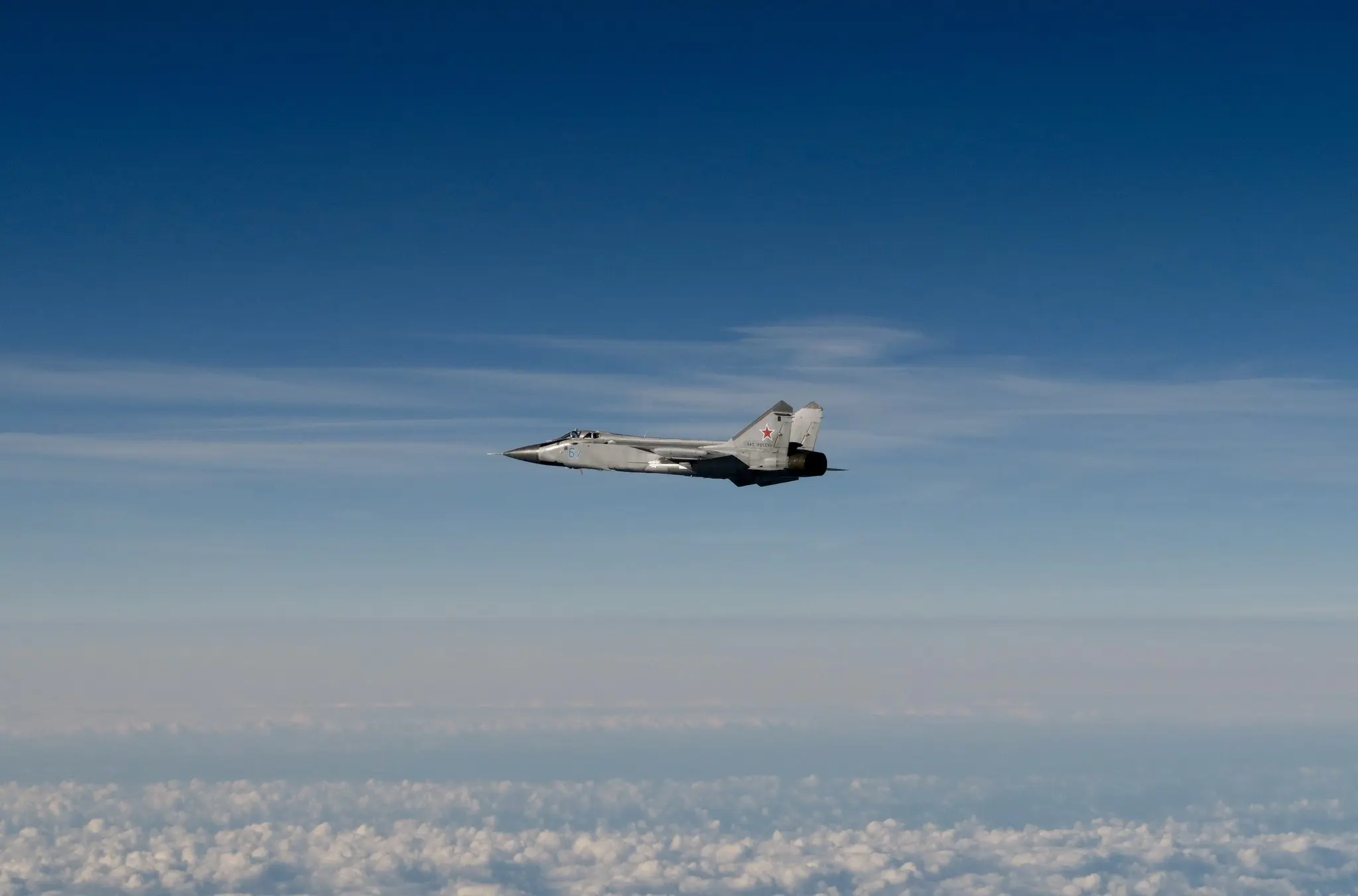
Russian fighter jets have long been a cornerstone of military aviation, known for their technological innovations and strategic capabilities. As geopolitical tensions heighten, especially in Eastern Europe and the Asia-Pacific, the relevance of these aircraft has never been greater. The advancements in Russian air power not only reflect the country’s military ambitions but also influence global security dynamics.
Recent Developments in Russian Fighter Jets
In 2023, the Russian aerospace industry showcased its latest models at the MAKS Air Show, reinforcing the significance of their combat aircraft in modern warfare. The Su-57, Russia’s stealth fighter jet, has entered active service with the Russian Air Force, and recent reports indicate that it has been deployed in various conflict zones, including Syria. This has raised questions regarding the effectiveness of stealth technology in contemporary military operations.
Moreover, the MiG-35, an advanced multi-role fighter, has also gained traction among other nations. With upgrades in avionics, weaponry, and engine performance, the MiG-35 is positioned as a competitor in the international market for next-generation fighter aircraft. As of late 2023, contracts for the MiG-35 have been finalised with Middle Eastern countries, further expanding Russia’s influence in global arms sales.
Strategic Implications
The deployment of Russian fighter jets is not solely a matter of national pride but plays a critical role in the strategic military landscape. With an eye on NATO’s activities, Moscow has increased the operational readiness of its fighter jets in the Western Military District, leveraging their capabilities for regional deterrence. The modernisation of these aircraft underscores a broader trend of military competition between Russia and Western allies.
Additionally, the ongoing conflict in Ukraine has also prompted a resurgence in military exercises involving fighter jets, highlighting their importance in air supremacy. As countries across the globe reassess their air power capabilities amidst changing threats, the significance of Russian fighter jets remains palpable. Nations are keenly observing how advancements in these aircraft could reshape engagement strategies in potential conflicts.
Conclusion
In conclusion, Russian fighter jets are not just technological marvels; they represent a vital aspect of Russia’s military strategy and international leverage. As tensions continue to evolve, both within and outside of Eastern Europe, the implications of these advancements stand to affect global geopolitics profoundly. With ongoing modernization efforts and expanding partnerships, the role of Russian fighter jets will likely become even more pronounced in the coming years. For defence analysts and military strategists, keeping an eye on Russian aerial developments is essential for understanding future conflict scenarios and global military balance.
