Introduction
Hezbollah, a Shiite militant group and political party based in Lebanon, has been a significant force in Middle Eastern geopolitics since its formation in the early 1980s. Understanding Hezbollah’s activities and its influence on regional dynamics is crucial for grasping the complexities of Middle Eastern conflicts, particularly in the context of its ongoing tensions with Israel, Syria, and various other international actors.
Current Activities and Developments
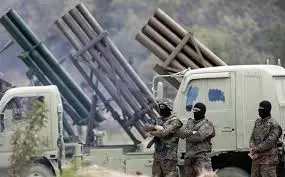
In 2023, Hezbollah has seen a resurgence in its military activities as renewed tensions with Israel have unfolded, particularly in the context of the unresolved conflict over the Golan Heights and increased skirmishes along the Israel-Lebanon border. Reports indicate that Hezbollah has received advanced military hardware from Iran, further strengthening their capabilities. Intelligence estimates suggest that the group has now amassed over 150,000 rockets aimed at Israeli targets, heightening fears of a potential conflict.
Moreover, Hezbollah’s involvement in the Syrian civil war has cemented its role as a key regional player. By supporting President Bashar al-Assad’s regime, Hezbollah has expanded its influence beyond Lebanon, creating a strategic foothold in Syria. This has raised concerns among Israel and other nations about Lebanon’s sovereignty and the implications for sectarian balance in the region.
International Reactions and Consequences
The international community remains divided on how best to address Hezbollah’s influence and military capability. The United States, EU, and several Arab nations classify Hezbollah as a terrorist organisation and continue to impose sanctions aimed at curbing its funding sources. Conversely, Iran openly supports Hezbollah, seeing it as a key ally in its regional strategy against perceived threats from the West and Israel.
Recently, as tensions escalate, discussions surrounding a potential ceasefire or peace negotiations have become more critical. The United Nations has called for dialogue, warning about the repercussions of an all-out conflict which could destabilise Lebanon and the broader region.
Conclusion
The significance of Hezbollah in today’s Middle Eastern context cannot be underestimated. Its actions and alliances influence not only Lebanese stability but also the peace and security of neighbouring countries. As Hezbollah continues to strengthen its military capabilities and maintain its political role, the chances of war or escalating violence remain a pressing concern. Futures scenarios posit that heightened tensions may lead to either a broader conflict involving multiple nations or a strained peace that relies on sustained diplomatic efforts from international stakeholders. For those observing the region, understanding Hezbollah’s initiatives and their ramifications is essential for anticipating future developments in Middle Eastern geopolitics.
