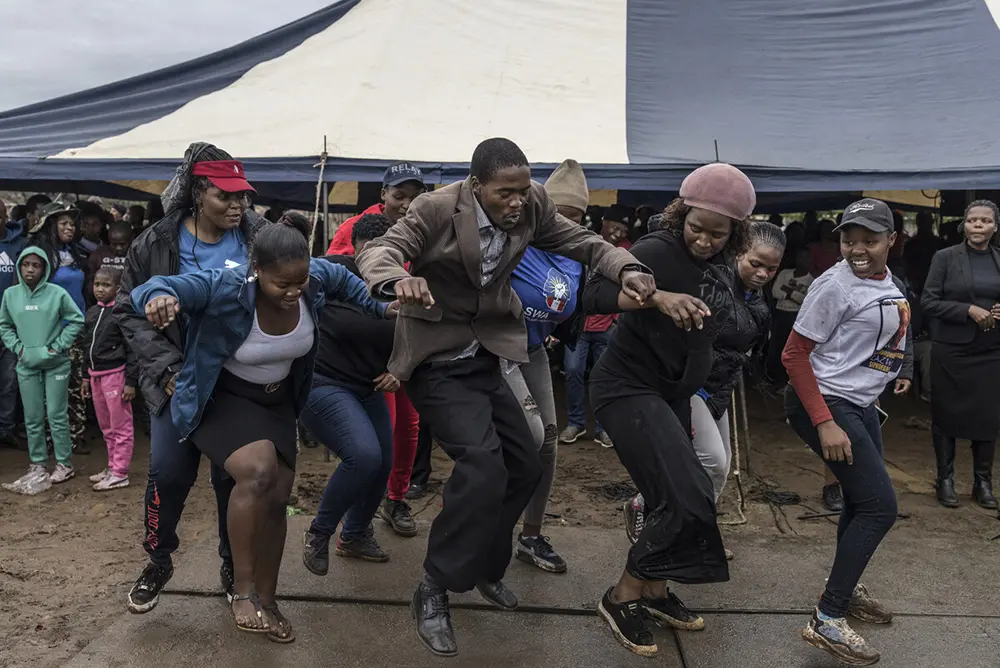
Introduction to Eswatini
Eswatini, formerly known as Swaziland, is a small landlocked kingdom in Southern Africa. With a rich cultural heritage and diverse landscapes, it is known for its vibrant traditions and stunning natural beauty. However, the nation has entered a crucial phase marked by political developments and economic challenges, making it a significant point of interest for both local and international observers.
Recent Developments in Eswatini
In recent months, Eswatini has been in the spotlight due to the escalated calls for democratic reforms. Protests began in earnest in 2021 when citizens expressed their discontent over the absolute monarchy, which has ruled the nation for over 50 years. This unrest has led to a greater international focus on the country, particularly from human rights organisations and foreign governments advocating for political change.
The unrest gained momentum in late 2022, culminating in widespread demonstrations demanding democratic elections and freedom of expression. This made the government declare a state of emergency, leading to crackdowns on protests, including the arrest of opposition activists. Observers are concerned about the implications for human rights and governance in the region.
Impact on Economy and Society
Economically, Eswatini continues to face significant challenges, including high unemployment rates and reliance on external aid. The ongoing political instability has exacerbated these issues, leading to increased pressure on the government to implement essential reforms. The country’s economy is heavily dependent on agriculture and manufacturing sectors, which have struggled due to factors such as climate change and global economic downturns.
The International Response
Internationally, Eswatini’s situation has drawn attention, prompting calls for action from organisations such as the African Union and the Southern African Development Community (SADC). These entities have emphasised the need for peaceful negotiations and dialogue to resolve the ongoing crisis, highlighting the importance of a stable Eswatini for regional security and cooperation.
Conclusion
The current situation in Eswatini is a complex interplay of socio-political dynamics that impacts not only its citizens but also the broader Southern African region. As the nation navigates its path towards potential democratic reforms, the future holds a mix of opportunities and challenges. For observers, the developments in Eswatini serve as a reminder of the critical importance of governance, human rights, and the need for comprehensive dialogue in addressing the aspirations of its people.
