Introduction
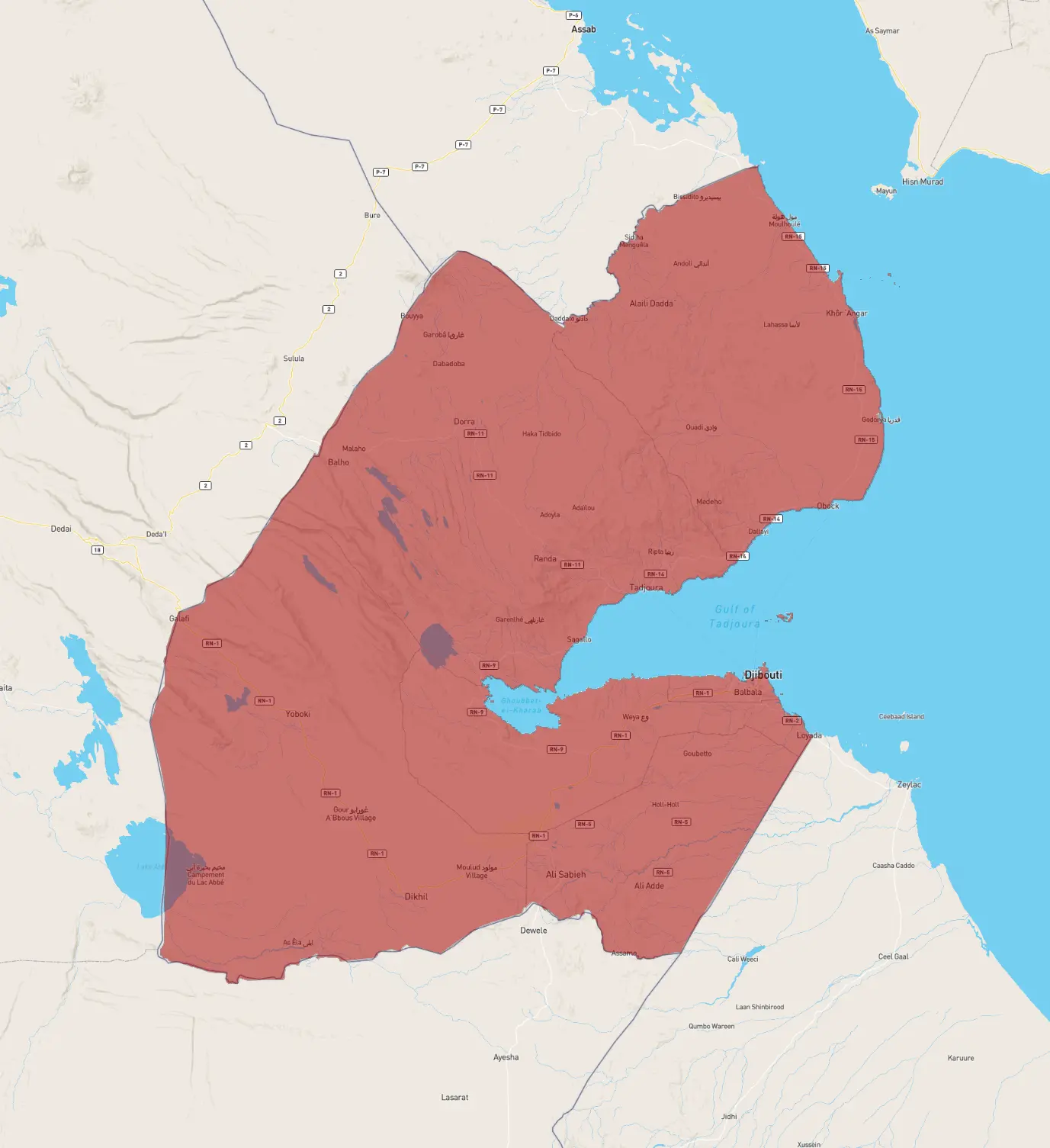
Djibouti, a small country located on the Horn of Africa, has recently gained significant attention due to its strategic geographical position and burgeoning economy. Positioned at the crossroads of major shipping routes, Djibouti serves as a critical hub for international trade, particularly between Europe and Asia. The relevance of Djibouti extends beyond its physical location; it is becoming increasingly vital in geopolitical affairs, particularly for powers like the United States, China, and France.
Geopolitical Significance
The location of Djibouti, adjacent to the Bab-el-Mandeb Strait, grants it control over one of the world’s busiest maritime chokepoints. This strait links the Mediterranean Sea to the Indian Ocean, making Djibouti essential for global trade routes. As a result, the nation has attracted foreign military bases, with the United States having established Camp Lemonnier, while China has invested in its first overseas military base. This influx of foreign investments highlights not only the nation’s strategic importance but also its role in maintaining regional stability.
Economic Growth and Development
In recent years, Djibouti has focused on diversifying its economy, reducing reliance on traditional sectors like agriculture and pastoralism. The government has initiated several infrastructure projects aimed at enhancing transportation links and boosting trade, including the development of the Djibouti-Addis Ababa railway and the expansion of the Port of Djibouti. These efforts have been met with international interest, particularly from Chinese companies, which have contributed significant investments totaling billions of dollars.
Moreover, Djibouti is strategically positioning itself as a logistics centre for Africa, attracting businesses and services from neighbouring countries. Its free trade zones have drawn international businesses, providing tax incentives and proximity to established ports, further enhancing its economic landscape.
The Road Ahead
Looking ahead, the future of Djibouti appears promising yet challenging. As it continues to develop its infrastructure and attract foreign investment, the country must also address internal challenges, including unemployment and social inequality. Furthermore, managing relationships with external powers will be crucial in sustaining its economic growth while maintaining autonomy.
Conclusion
In conclusion, Djibouti’s strategic location and growing economic opportunities are transforming it into a vital player in regional and global contexts. As it emerges as an African hub for trade and military logistics, it will be essential for Djibouti to navigate its geopolitical landscape wisely, ensuring growth that benefits both its economy and its people. For readers, understanding Djibouti’s role can provide insights into the future dynamics of trade and politics in the region.
