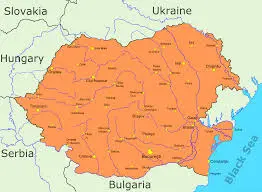
Introduction
The relationship between România and Moldova holds immense significance in the socio-political landscape of Eastern Europe. As neighbouring countries sharing a common history, culture, and language, their bond has evolved intricately, influencing regional stability, economic cooperation, and cultural exchanges. Recently, developments in this relationship have spotlighted their future trajectories amid changing geopolitical dynamics.
Recent Developments
In recent months, the ties between România and Moldova have strengthened, particularly with Moldova’s aspirations toward European integration. In March 2022, following Russia’s invasion of Ukraine, Moldova sought closer ties with the European Union (EU), leading to increased support from România. Romanian Prime Minister Nicolae Ciucă has been vocal about the need for greater cooperation, highlighting the historical and cultural links that unite both nations.
In June 2022, Moldova was granted EU candidate status, a pivotal milestone that both countries celebrate. This progress is underpinned by Romania’s commitment to assist Moldova politically and economically. Bucharest has provided significant aid, including financial support to bolster Moldova’s energy security amid a regional energy crisis exacerbated by geopolitical tensions.
Cultural and Economic Ties
On a cultural level, the shared language and customs play a crucial role in camaraderie between the two nations. The Romanian language is recognized as the official language in Moldova, fostering easy communication and cultural exchange. Numerous initiatives are in place to promote education, including scholarships for Moldovan students in Romanian universities, enhancing people-to-people connections.
Economically, trade relations have been bolstered, with Romania being one of Moldova’s primary trading partners. In 2021, trade between the two countries reached approximately €1 billion. The Romanian government has also pledged to support infrastructure projects in Moldova, notably in transport and energy, which is vital for economic growth and development.
Conclusion
The evolving narrative of România and Moldova reflects a deep-rooted connection that continues to flourish. As Moldova pursues its European aspirations, the support from România is crucial in navigating the complexities of integration. The synergy between these neighbours has broader implications for regional stability and cooperation within Europe, as both countries work closely to build a shared future of prosperity, security, and cultural affinity.
