Introduction
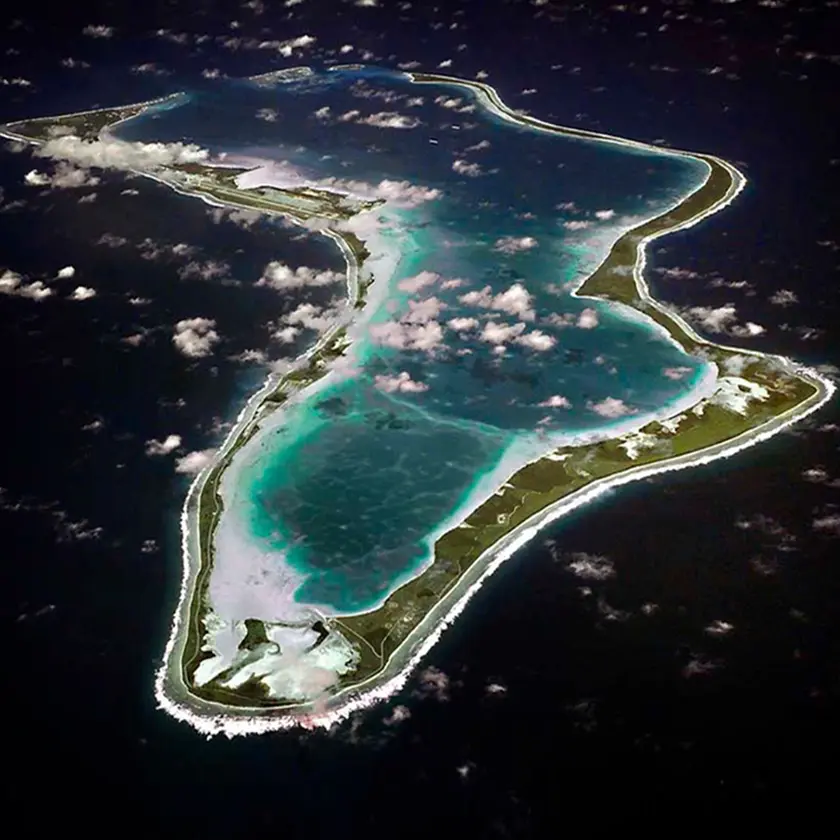
The Chagos Islands, a group of over 60 islands in the Indian Ocean, hold a complex significance in both geopolitical and ecological contexts. Their strategic location has made them a focal point for military operations and international legal disputes, particularly between the United Kingdom and Mauritius. The importance of the islands has grown in recent years, as discussions about sovereignty, human rights, and environmental issues continue to develop.
Historical Context
The Chagos Islands were formally part of the British Indian Ocean Territory established in 1965. Following this, the UK government expelled the native Chagossians from the islands to make way for a large US military base on Diego Garcia, one of the atolls in the group. This relocation, which took place between 1967 and 1973, has been widely condemned as a violation of human rights, leading to continued calls for reparations and the right of return for the displaced islanders.
Current International Disputes
In 2019, an advisory opinion from the International Court of Justice (ICJ) stated that the UK had unlawfully maintained control over the Chagos Islands, and the court urged the UK to end its continued occupation. While the ICJ’s ruling is not legally binding, it reflects a significant sentiment within international law regarding colonialism and self-determination. Mauritius, which claims sovereignty over the islands, has sought support from various nations and international bodies in its quest to reclaim ownership.
Environmental Importance
Beyond its geopolitical significance, the Chagos Islands are also of great ecological importance. The area is home to one of the largest marine protected areas in the world, which spans approximately 640,000 square kilometres. It features diverse ecosystems, including coral reefs and marine habitats that are vital for numerous species. The UK government has established strict conservation measures, but concerns remain about illegal fishing and potential threats to marine biodiversity.
Conclusion
The fate of the Chagos Islands remains a contentious issue exemplifying the intersection of colonial legacy, international law, and environmental conservation. The ongoing debates surrounding the islands could significantly impact the rights of the Chagossian people and influence international perceptions of British colonial policies. As discussions continue, readers should be aware that the outcome of this territorial dispute will not only affect those directly involved but could set important precedents for similar cases globally.
