Introduction
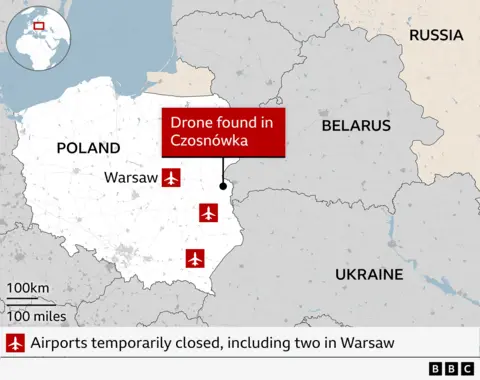
The relationship between Russia and Poland has become increasingly strained in light of growing military activities. Recent developments have raised alarms among NATO allies and sent ripples of concern across Europe. As geopolitical tensions simmer, understanding the implications of a Russia attack on Poland is crucial for assessing the overall security landscape in the region.
Recent Developments
In the past few weeks, there has been a notable increase in Russian military exercises close to the borders of Poland. Reports indicate that these maneuvers include the mobilization of troops and military assets in Western Russia, leading to heightened scrutiny from both Poland and NATO. Surveillance flights by NATO have intensified as member states monitor the situation closely.
Several analysts have suggested that these activities could signal an aggressive posture from Russia, particularly as the country faces ongoing international sanctions due to its actions in Ukraine. The Polish Defence Minister has indicated that the military is on high alert, emphasising Poland’s right to defend its sovereignty against potential threats.
International Reactions
Poland’s NATO allies, particularly the United States and key European nations, have expressed strong solidarity with Warsaw, reaffirming their commitment to mutual defence agreements. The U.S. has increased the presence of its troops in Eastern Europe as a deterrent against possible aggression. Furthermore, during recent meetings, NATO leaders have vowed to enhance their eastern flank military readiness, reassuring Poland of their support.
Possible Consequences
The prospect of a Russian attack on Poland carries significant implications. A direct military engagement could invoke Article 5 of the NATO treaty, which states that an attack on one member is an attack on all, leading to a broader conflict. Additionally, such an escalation may disrupt European security and economic stability, potentially leading to a humanitarian crisis.
Conclusion
With the situation evolving, it is imperative that all parties take steps to de-escalate tensions. Enhanced diplomatic efforts are necessary to avoid misunderstandings that could lead to conflict. Observers are urged to remain vigilant as developments unfold, with the hope that dialogue and negotiations will prevail over military confrontations. The international community must remain engaged in pursuing a peaceful resolution while adequately preparing for any potential threats.
