The Importance of China on the Global Stage
China, officially known as the People’s Republic of China, is one of the world’s most significant nations, both in terms of population and economy. As the second-largest economy globally, its policies and outcomes have far-reaching effects on international relations, trade, and global trends. Understanding China’s current challenges is essential not just for policymakers but also for businesses and individuals intertwined in global systems.
Economic Challenges and Trends
In recent months, China has faced numerous economic hurdles, including a sluggish post-pandemic recovery, rising debt levels, and a depressed real estate market. The country’s growth rate is projected to slow down, with concerns voiced by analysts regarding its ability to meet the government’s ambitious 5% growth target for 2023. Factors contributing to this downturn include shifting consumer behaviour, weakened export demand, and ongoing supply chain issues.
The Chinese government has implemented policies aiming to stimulate growth through infrastructure investments and easing restrictions in various sectors. However, the ongoing pandemic and lockdown measures in certain areas continue to pose a risk to stable economic recovery.
Geopolitical Landscape
China’s relationships with other countries play a crucial role in determining its future. The ongoing tensions with the United States, particularly regarding trade and technology, remain at the forefront of international dialogue. Recently, the U.S. has tightened restrictions on semiconductor exports to China, which poses further challenges for its technology sector.
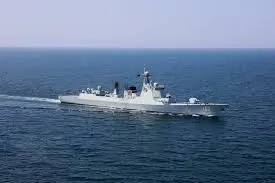
Moreover, China’s assertiveness in the South China Sea and its stance on Taiwan have raised security concerns among neighbouring nations and beyond. At the same time, China’s Belt and Road Initiative continues to expand its influence across Asia, Africa, and Europe, creating a complex web of partnerships that could reshape global economic dynamics.
In Conclusion
China is at a crossroads in its development trajectory. Its ability to navigate current economic challenges and geopolitical tensions will significantly influence not only its position but also that of the global community. As observers continue to analyse China’s strategies and outcomes, it becomes increasingly apparent that understanding this nation is essential for anyone engaged in international affairs. With risks and opportunities abound, the global implications of China’s journey are profound and warrant continued attention.
