Introduction
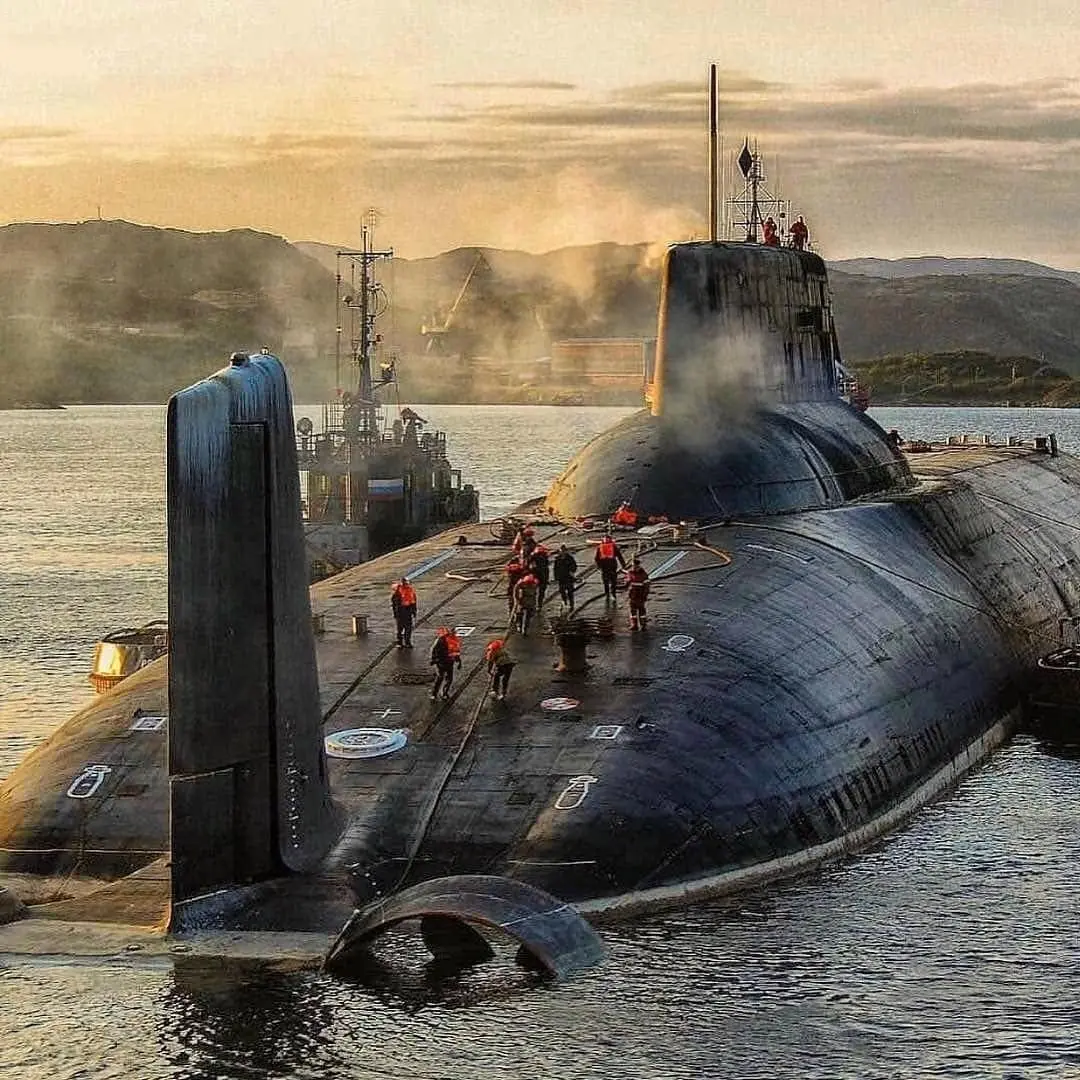
In recent years, the presence and capabilities of Russian submarines have increasingly come under scrutiny. As tensions rise between Russia and NATO, the role of these submarines has become a crucial focus in modern naval warfare. The strategic implications of Russia’s submarine fleet extend beyond national security to global geopolitical stability, making this topic highly relevant today.
Recent Developments
Russia boasts a formidable submarine fleet that includes both nuclear and diesel-electric vessels. According to the International Institute for Strategic Studies, as of 2023, the Russian Navy operates around 60 submarines, with notable classes like the Yasen and Borei. One significant event this year was the successful deployment of the Borei-class submarine, Knyaz Vladimir, which completed its first successful deterrence test, launching a Bulava missile in July.
This activity highlights Russia’s commitment to modernising its naval capabilities amidst international tensions, particularly as Western nations have heightened military presence in Eastern Europe and the Arctic. Furthermore, ongoing military exercises, such as the recent ‘Ocean Shield,’ have involved multiple submarine assets showcasing coordinated strike capabilities.
Geopolitical Implications
The resurgence of Russian naval power poses a strategic dilemma for NATO countries. Submarines are integral for both deterrence and offensive operations, and the ability of Russian submarines to operate undetected enhances their efficacy. The Arctic has emerged as a new theatre for submarine activity, creating potential flashpoints for conflict as access to new shipping routes increases due to climate change.
Moreover, the proliferation of advanced submarine technology, including stealth features and long-range weaponry, raises concerns about an arms race. Experts warn that if the West does not adequately respond to these advancements, the maritime balance of power could significantly shift in favour of Russia.
Conclusion
In conclusion, Russian submarines represent not only a substantial element of the nation’s military strategy but also a critical factor in the evolving landscape of global maritime security. As naval confrontations become more prominent, understanding the capabilities and implications of these vessels is essential for policymakers and defence analysts alike. Continued vigilance and strategic preparedness will be necessary to address the challenges posed by Russian submarines in the coming years.
