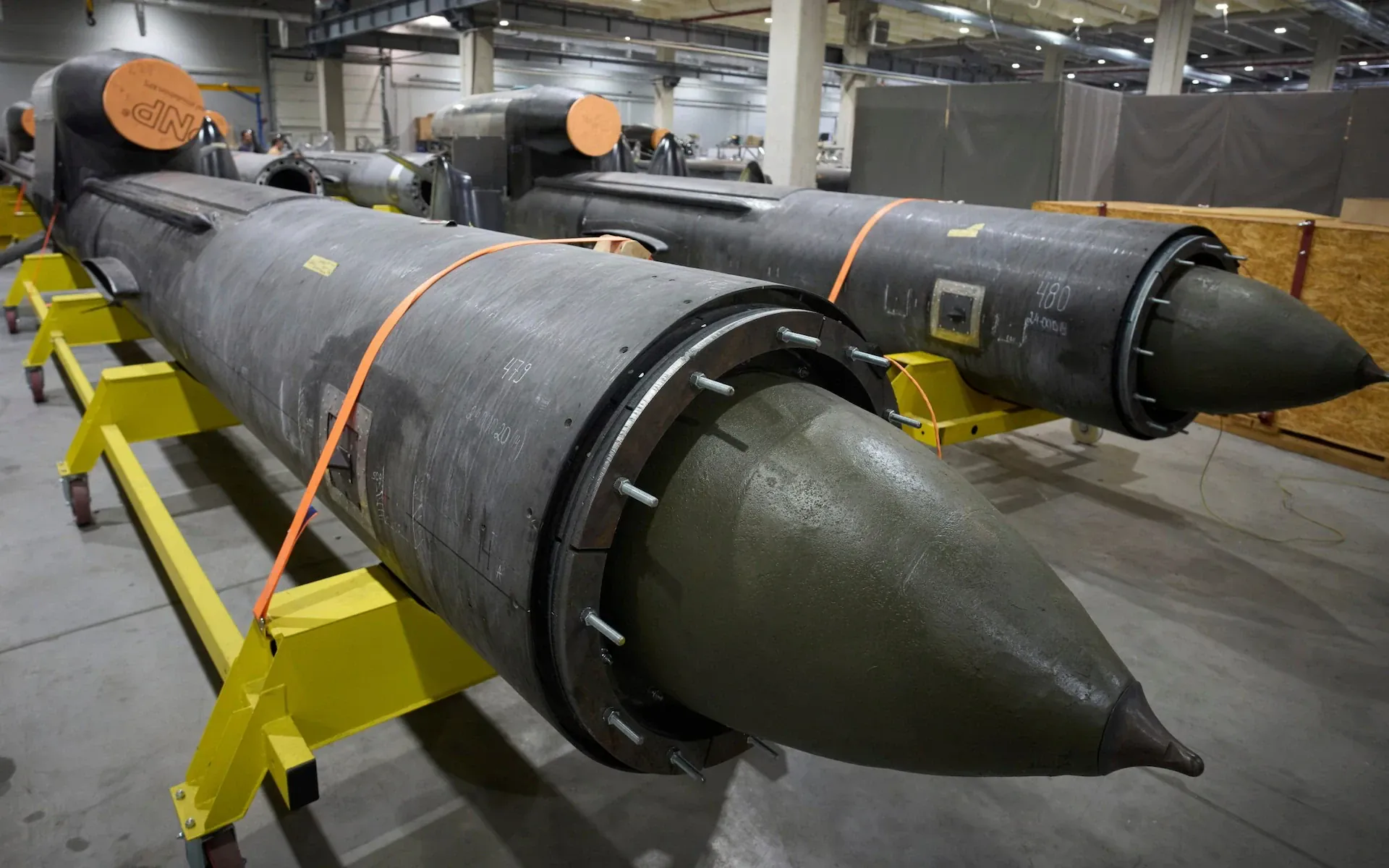
The Importance of Ukraine Missiles
The conflict in Ukraine continues to captivate global attention as it evolves into a significant geopolitical crisis. As the situation develops, the use and supply of missiles has become a crucial component of military strategies. Understanding the current dynamics of missile deployment in Ukraine is vital for grasping the larger implications for European security and international relations.
Recent Developments
In recent months, Ukraine has ramped up its missile capabilities, significantly altering the tactical landscape. Reports indicate that Ukraine has received advanced missile systems from Western allies, including long-range capabilities that enhance its ability to target Russian military positions effectively. Notably, the HIMARS (High Mobility Artillery Rocket System) supplied by the United States has proven particularly impactful, allowing for precision strikes on supply lines and command centres far behind the front lines.
Moreover, Ukraine’s domestic missile production has seen a boost, with local industries adapting to the pressing needs of the armed forces. The integration of Western technology with indigenous solutions has aimed to increase self-sufficiency and sustain operations against the ongoing Russian invasion. The ongoing conflict has also led to increased military cooperation among NATO allies, with joint exercises and intelligence sharing that include missile defence systems.
Military and Political Implications
The increased deployment of missiles and military hardware will likely escalate the conflict further, as Russia may respond with intensified bombardments and counterattacks. The risk of miscalculation is high, and unintended escalations could threaten regional stability. With these developments, diplomatic efforts find themselves in a precarious position; continued support for Ukraine may hinge on the perceived success of these missile systems in countering Russian advances.
Furthermore, European nations face pivotal decisions regarding their military assistance packages. Some countries have voiced concerns about the proliferation of advanced weaponry, suggesting it could draw them directly into confrontation, while others argue it is crucial for deterring further Russian aggression.
Conclusion
The situation surrounding Ukraine missiles embodies the complexity of modern warfare and international diplomacy. As missile capabilities evolve, so too do the strategies and responses of involved parties. The potential for further escalation remains a significant concern for European security, necessitating careful consideration from policymakers. The trajectory of warfare in Ukraine will undoubtedly influence how nations approach military support and diplomatic negotiations moving forward.
