Introduction
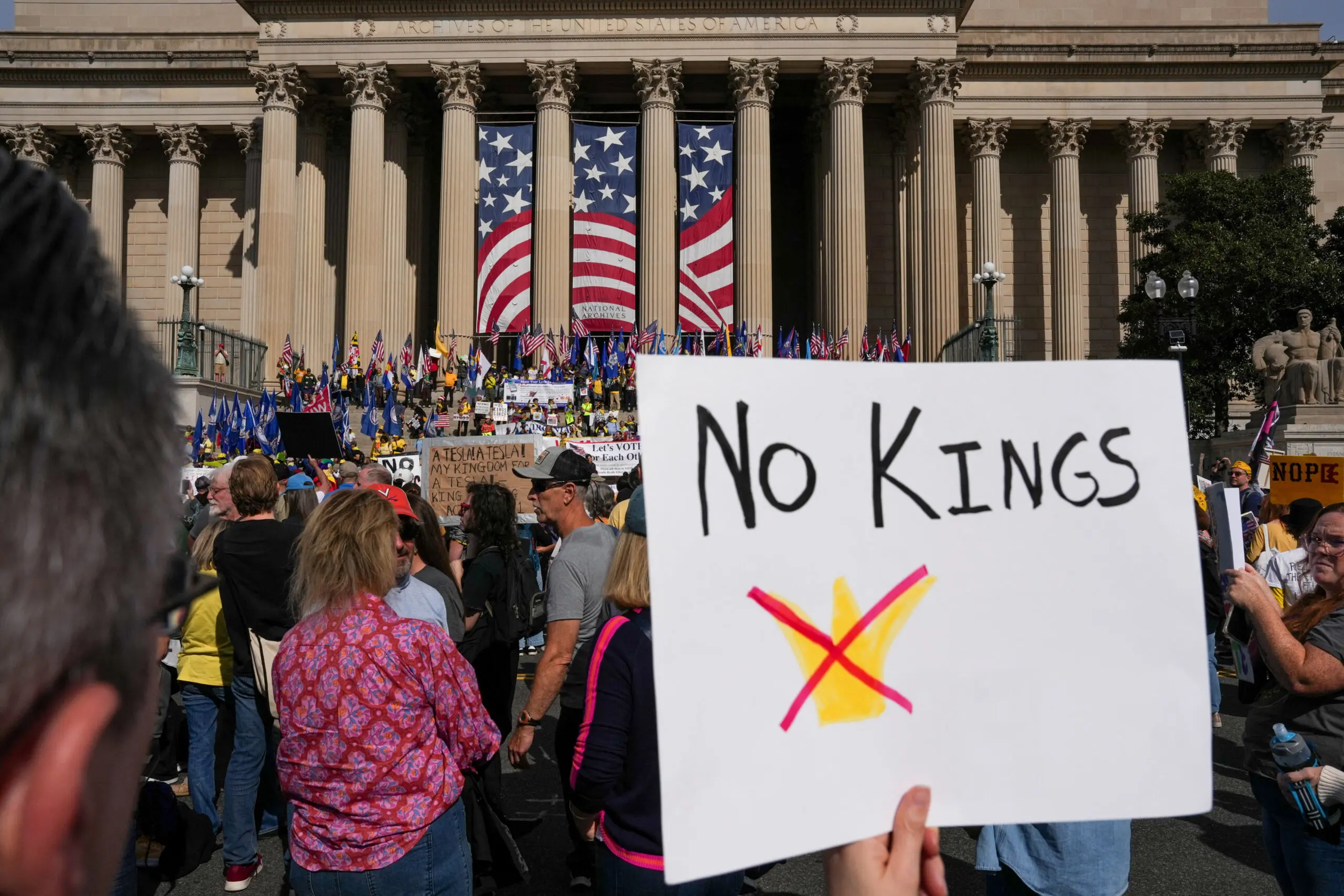
The No Kings protest is a growing movement primarily aimed at challenging traditional power structures and promoting egalitarianism across various societies. With its roots in the fight against absolute monarchies and authoritarian regimes, the movement advocates for the dismantling of hierarchical systems that perpetuate inequality. The relevance of this protest has surged in recent years as many communities grapple with issues of social justice, economic disparity, and political oppression.
Origins of the No Kings Protest
The No Kings protest traces its origins to grassroots movements and social justice campaigns that advocate for human rights and equal representation. It has been particularly prominent in democratic societies where citizens demand accountability and transparency from their leaders. The movement has gained momentum during significant political events, including protests against government decisions perceived as oppressive or unjust.
Key Events
One of the pivotal moments of the No Kings protest occurred during the global unrest of 2020, when movements like Black Lives Matter highlighted systemic injustices. Participants frequently associated the No Kings philosophy with broader calls for reform in policing, wealth distribution, and systemic racism. The phrase ‘No Kings’ has been chanted at numerous protests, amplifying the message that no person should hold unchecked power over another.
Global Response
The No Kings protest has seen a global response, with individuals from various walks of life expressing solidarity through demonstrations, social media campaigns, and art. Many manifestos and pamphlets advocating for the movement have surfaced online, calling for a reevaluation of traditional power dynamics in both local and international contexts. For instance, activists in countries with a history of monarchy have adopted the No Kings slogan to signify their desire for freedom from old regimes and new forms of governance that empower ordinary citizens.
Conclusion
The significance of the No Kings protest lies in its challenge to entrenched systems of power and its call to create more equitable societies. As the movement grows, it is anticipated to influence future political discourse, encouraging more citizen engagement and advocacy for social reforms. The ongoing dialogues surrounding this protest reflect a broader shift towards a more participatory and inclusive approach to governance where authority is derived from the people, not imposed by kings or elites. Readers are encouraged to stay informed and involved in local movements to foster change, as the No Kings philosophy gains traction around the globe.
