Introduction
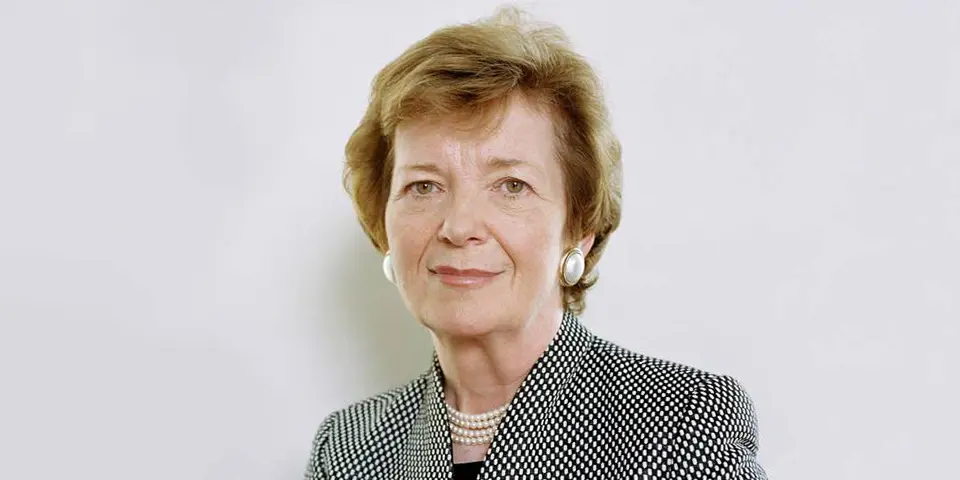
Mary Robinson, a former President of Ireland and a well-known advocate for human rights, has significantly influenced global discourse on issues related to climate change and social justice. With her extensive experience in global leadership roles, Robinson’s efforts are increasingly relevant as the world faces pressing challenges such as inequality and environmental degradation.
Key Achievements
Robinson served as Ireland’s first female president from 1990 to 1997. During her tenure, she focused on social and economic justice, positioning Ireland as a progressive nation on the global stage. Following her presidency, she took on the role of United Nations High Commissioner for Human Rights, where she advocated for the rights of marginalized communities.
In 2009, Robinson founded the Mary Robinson Foundation – Climate Justice (MRFCJ). The organisation aims to connect climate action and human rights, promoting the understanding that climate change exacerbates inequalities and disproportionately impacts vulnerable populations. Her work has led to recognition of climate justice as a critical component of human rights advocacy.
Recent Initiatives
In 2023, Robinson has continued her advocacy work through participation in several international forums focused on climate and human rights. At the recent COP28 conference, she called for stronger commitments from world leaders to address climate change while prioritising human rights. Robinson emphasised the importance of including voices from the Global South in climate negotiations, a point that has gained traction among activists and policymakers alike.
Furthermore, Robinson’s recent book, “Climate Justice: Hope, Resilience, and the Fight for a Sustainable Future,” has sparked conversations about the ethical responsibilities we hold towards future generations. Her work challenges leaders and citizens alike to consider the moral implications of climate actions and policies.
Conclusion
Mary Robinson’s ongoing contributions to the fields of human rights and climate action demonstrate the interconnectedness of these issues in our global society. As climate crises continue to evolve, Robinson’s emphasis on the need for justice and equity in policy-making will play an increasingly critical role. Her voice serves as a reminder that addressing climate change is not just about environmental protection but also about safeguarding the well-being of the most vulnerable populations. As awareness grows surrounding these issues, it’s essential for readers to engage in discussions and actions that honour Robinson’s legacy and vision for a just and sustainable world.
