Introduction
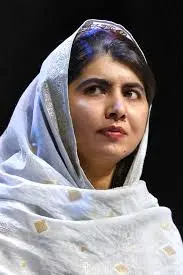
Malala Yousafzai, a name synonymous with courage and advocacy for education, has become a global icon for girls’ education and women’s rights. Since surviving an assassination attempt in 2012, Malala has used her platform to amplify the need for educational access for young girls worldwide. Her story represents not only a personal triumph over adversity but also highlights the critical importance of education in empowering future generations.
Background and Rise to Prominence
Born on July 12, 1997, in Mingora, Pakistan, Malala grew up in a region where the Taliban often denied girls the right to education. At just 11 years old, she began writing a blog under a pseudonym for the BBC Urdu, sharing her experiences living under oppressive rule and her desire for education. Her courage and determination drew international attention.
On October 9, 2012, Malala was shot in the head by a Taliban gunman while riding a bus home from school. This brutal act of violence sparked global outrage and led to a surge of support for her cause. Following her recovery in the UK, she transitioned from a local advocate to a global leader, co-founding the Malala Fund, an organisation dedicated to ensuring every girl has the opportunity to achieve 12 years of quality education.
Recent Developments
In 2022, Yousafzai graduated from the University of Oxford, an achievement she celebrated as a personal milestone and a testament to the transformative power of education. As of 2023, she continues to be actively involved in advocacy work, making media appearances and participating in global discussions on education, gender equality, and human rights.
Notably, in a recent speech to the UN in September 2023, she reaffirmed her commitment to fighting against the ongoing repression of girls’ education in various parts of the world, particularly in Afghanistan, where the Taliban has once again restricted educational opportunities for girls. Her poignant words resonated through the global community, reminding leaders of their responsibilities towards the education of every child.
Conclusion
Malala Yousafzai remains a powerful force for change in the world, demonstrating that one voice can indeed spark a movement. Her dedication to advocating for girls’ education serves as a crucial reminder of the barriers still faced by millions. As the world continues to grapple with educational inequality, Malala’s story inspires hope and action. Every achievement she makes reinforces the importance of the ongoing fight for educational rights and serves to remind future generations of the necessity of perseverance and advocacy.
