Introduction
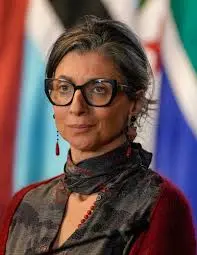
Francesca Albanese has emerged as a significant voice in the field of human rights, specifically regarding the legal frameworks surrounding the Palestinian situation. As a legal expert and UN Special Rapporteur on the Palestinian Territories, her work and opinions have gained substantial attention amid ongoing global discussions about human rights abuses and international law. Albanese’s contributions are particularly relevant as the situation in the Middle East remains fraught with complexities and challenges.
Background and Career
Francesca Albanese has an academic background in law, with a focus on international human rights law. Her career has included significant roles in various international organisations. Appointed as the UN Special Rapporteur in 2022, her mandate is to report on human rights issues concerning the Palestinian territories, ensuring that violations are documented and addressed. Albanese’s role is critical in amplifying the voices of those affected and holding parties accountable.
Recent Developments
In recent months, Francesca Albanese has been vocal about escalating tensions in the Gaza Strip and the West Bank. Reports have indicated an increase in military conflicts and human rights violations, prompting Albanese to call for urgent international intervention and accountability. Her statements emphasise the need for comprehensive investigations into potential war crimes and human rights violations committed by both state and non-state actors.
Furthermore, her work has been covered widely in news outlets, signalling a growing interest in the legal and humanitarian aspects of the Palestinian issue. Albanese has also been a prominent figure in international forums, where she stresses the importance of diplomacy and dialogue in resolving conflicts.
Conclusion
Francesca Albanese’s work as a legal expert is vital not just for the Palestinian people but for the broader international community that values human rights and justice. As governments and organisations grapple with the complexities of the Israel-Palestine situation, Albanese’s ongoing advocacy work plays a crucial role in keeping human rights at the forefront of these discussions. Analysts suggest that her insights and findings could influence future policies and humanitarian efforts, paving a path towards a more just resolution. For readers concerned with global human rights issues, paying attention to Francesca Albanese’s contributions will provide valuable insights into the ongoing struggles faced by many around the world.
