Introduction
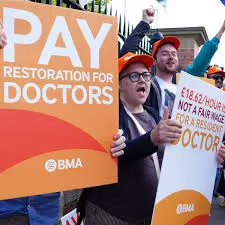
In recent months, the UK has experienced a series of significant strikes by resident doctors that have drawn widespread attention and concern. These strikes highlight critical issues affecting not only the medical professionals involved but also the healthcare system and patients. The ongoing disputes demonstrate the deep-rooted frustrations within the NHS regarding working conditions, pay, and staffing shortages.
The Current Situation
As of October 2023, numerous resident doctors across various NHS trusts have organised strikes in response to longstanding grievances. The British Medical Association (BMA) has been at the forefront, advocating for better pay and working conditions as many junior doctors contend they are overworked and underpaid. The strikes have led to the cancellation of thousands of medical appointments and surgeries, exacerbating the challenges already faced by the healthcare system during a time when it is under immense pressure from rising patient demand and staffing shortages.
According to the latest figures from the BMA, over 80% of resident doctors reported feeling dissatisfied with their working conditions, with many citing burnout as a significant factor leading to their decision to participate in the strike. The pay levels for junior doctors, particularly when adjusted for inflation, have stagnated significantly since 2010, leading to increased calls for a review of remuneration policies.
The Implications
The impact of these strikes extends beyond the hospital walls. Patients have faced delays in accessing necessary care, which raises concerns about the potential long-term effects on public health. The NHS is already dealing with a backlog of cases due to the COVID-19 pandemic, and these strikes have added another layer of complexity to an already strained system.
Health Secretary Steve Barclay has called for dialogue to resolve the situation but has also expressed concerns about the disruption to patient care. Meanwhile, resident doctors are urging the government to take their concerns seriously, warning that without significant reforms, critical shortages and lower quality of care could become the norm.
Conclusion
As resident doctors continue their strikes, the implications for the UK healthcare system are profound. With ongoing discussions taking place, the outcomes of these strikes may lead to significant changes in how junior doctors are valued and treated within the NHS. For readers, this situation serves as a reminder of the challenges faced by healthcare professionals and the importance of adequate support and resources in maintaining a robust and effective healthcare system. If meaningful changes can be achieved, they may set the stage for a more sustainable future for both healthcare providers and patients in the UK.
