Introduction
The introduction of new EU border controls has raised significant discussions regarding its impact on travel, trade, and security within member states. As the European Union strives to balance safety and freedom of movement, these changes reflect evolving challenges in managing borders amid increasing global migration and security concerns.
Details of the New Border Controls
In mid-2023, the European Commission announced a series of revamped border control measures aimed at strengthening external borders. These reforms include increased checks at entry points, new biometric data requirements for certain travelers, and enhanced cooperation between member states to share information on border security.
Among the most significant changes is the introduction of the Entry/Exit System (EES), which is designed to track the entry and exit of third-country nationals. This system is expected to not only improve security but also streamline border crossings, with the intent to reduce waiting times at various points of entry.
Implications for Schengen Zone Travel
While the Schengen Zone allows for free movement across many European nations, the implementation of these border controls raises concerns regarding potential delays for both EU residents and tourists. Although officials assure that the measures are designed to facilitate travel rather than hinder it, there is apprehension about overcrowding at major entry points.
Travel experts suggest that those planning to visit Europe may need to factor in additional time for border checks, as the full operational functionality of the EES is rolled out in stages throughout the remaining year. Furthermore, the increased scrutiny may lead to a rise in travel documentation checks, such as visas or travel insurance requirements.
Concerns and Reactions
The new border controls have sparked debates among human rights advocates who express concerns that heightened security measures may disproportionately affect migrants and asylum seekers. Various NGOs have called for vigilance to ensure that such policies do not lead to violations of human rights or the EU’s commitment to humanitarian principles.
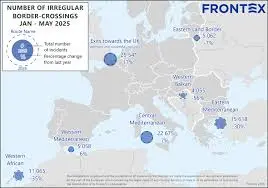
In response, EU officials affirm their commitment to balancing security and the fundamental rights of individuals. The enhanced border controls are positioned as necessary responses to the ongoing challenges posed by irregular migration and cross-border crime.
Conclusion
The new EU border controls represent a significant shift in how the European Union approaches the delicate balance between security and free movement. As implementation progresses, it remains vital for travelers, policymakers, and human rights advocates to monitor the ongoing effects of these changes. Understanding these new regulations will be essential not only for those travelling within the EU but also for businesses that rely on seamless cross-border operations.
