Importance of Capital Gains Tax
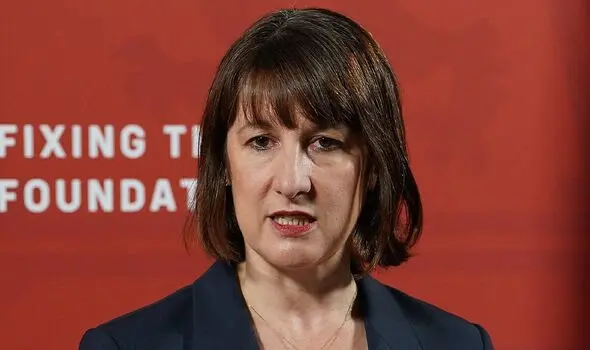
In recent discussions surrounding the UK economy, capital gains tax (CGT) has come under scrutiny. As investments become an integral part of many individuals’ financial portfolios, understanding the implications of CGT is essential for taxpayers. Rachel Reeves, Labour’s Shadow Chancellor, has positioned herself as a key voice in these discussions, advocating for a more equitable taxation system.
Recent Statements by Rachel Reeves
At a recent Labour Party conference, Reeves articulated her vision for reforming capital gains tax, arguing that the current tax structures disproportionately benefit wealthy investors compared to ordinary workers. She posited that higher earners are not paying their fair share, which has implications for fiscal fairness and social equity in the UK. Reeves proposes to align capital gains tax rates more closely with income tax rates, thereby ensuring a fairer tax system.
Projected Economic Impact
Reeves’s proposals raise significant questions about the broader economic effects of such changes. If implemented, moving towards a system resembling income tax for capital gains could lead to increased revenue for public services. This aligns with Labour’s broader agenda to fund improvements in health and education, which have witnessed funding cuts in recent years.
Responses from Economic Experts
Reactions from economists have been mixed. Some argue that increasing capital gains tax rates could deter investment, potentially slowing economic growth while others believe it will enhance fairness and its revenues could support critical public programs. Reeves has countered concerns about deterring investment by indicating a focus on long-term, sustainable economic models rather than short-term gains.
Conclusion and Future Outlook
As Britain continues to navigate its post-pandemic recovery, capital gains tax will remain a vital topic within economic discourse. Rachel Reeves’s candidacy to reform CGT underscores ongoing debates about wealth distribution and the role of taxation in achieving economic balance. As Labour prepares for upcoming elections, Reeves’s proposals will likely invigorate discussions about the fundamental values embedded within the UK’s tax system, inviting both support and criticism as citizens anticipate potential changes. The fate of these proposals and their implications for the economy will certainly be closely watched by the public and investors alike.
