Introduction
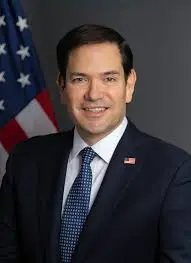
Marco Rubio, a pivotal figure in American politics, serves as the junior United States Senator from Florida. His influence extends beyond state boundaries, shaping national conversations around immigration, foreign policy, and economic reform. As the political landscape evolves, understanding Rubio’s role and viewpoints becomes increasingly relevant for citizens and policymakers alike.
Political Career
Marco Rubio began his political career in the Florida House of Representatives, representing the 111th district from 2000 to 2008. He garnered national attention when he was elected to the U.S. Senate in 2010, defeating incumbent Kendrick Meek and making significant strides for the Republican Party in critical swing state Florida. Since then, Rubio has served on several important Senate committees, including the Committee on Foreign Relations, where he has advocated for increased support for Ukraine amid escalating tensions with Russia.
Recent Activities
In recent weeks, Rubio has been vocal regarding various pressing issues. Notably, he has been an advocate for broader immigration reforms and has pushed back against current administration policies. In a recent Senate speech, Rubio emphasised the need for stronger border security measures, reflecting the sentiments of many constituents who express concerns over immigration control. Additionally, he has stressed the importance of the U.S. maintaining a robust presence in global politics, particularly in regions undergoing turmoil.
Public Perception and Influence
Rubio’s stance on foreign affairs, particularly related to China and military spending, has garnered mixed reactions. Some praise his assertive approach, while others critique the lack of diplomatic engagement. His involvement in domestic issues, such as healthcare and economic reform, has also seen divided opinions. As the political parties prepare for upcoming elections, Rubio’s strategies and policies will likely play a critical role in shaping future discussions.
Conclusion
Marco Rubio continues to be a significant voice in the U.S. Senate, influencing both domestic and foreign policy debates. The upcoming election cycle and global events will further test his political strategies and relevancy. For voters and observers alike, following Rubio’s developments is essential as they could reflect broader trends that impact the Republican Party and American politics overall.
