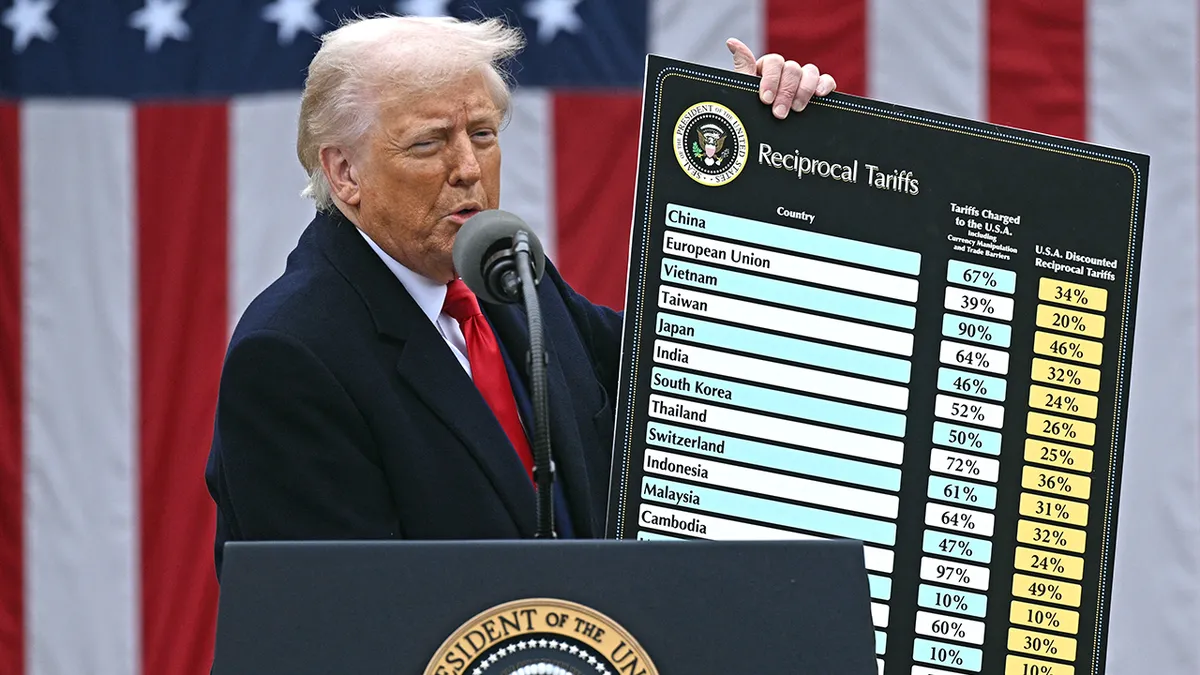
Background on Trump Tariffs
The U.S. Supreme Court ruled that Trump’s use of the International Emergency Economic Powers Act for tariffs was invalid. This decision has significant implications for the trade policies established during the Trump administration, particularly regarding the imposition of tariffs on foreign-made goods.
Recent Developments
In a recent ruling, the Supreme Court struck down President Donald Trump’s global tariffs, determining that they were imposed illegally. This ruling comes amidst ongoing trade investigations initiated by the Trump administration into excess industrial capacity among 16 major trading partners, including China, the European Union, India, Japan, Mexico, and South Korea.
While Canada was not named as a target in these new tariff investigations, the potential for new tariffs to be imposed by summer 2026 remains a point of concern for many stakeholders.
Statements from Key Parties
Jamieson Greer, a spokesperson, stated, “The policy remains the same — the tools may change depending on, you know, the vagaries of courts and other things.” This indicates that while the legal framework for tariffs is shifting, the underlying trade policy may continue in some form.
Greer also emphasized that “The United States will no longer sacrifice its industrial base to other countries that may be exporting their problems with excess capacity and production to us.” This reflects a commitment to protecting U.S. industries despite the legal challenges faced by the previous tariff measures.
Impact on Families and Future Actions
Senator Martin Heinrich has highlighted the financial burden of Trump’s tariffs, stating, “President Trump’s illegal tariffs have cost New Mexico families an average of $1,355.” He has introduced a bill aimed at creating a tax rebate for individuals and families affected by these tariffs, with proposals including rebates of up to $2,400 for a family of four filing jointly under certain income thresholds.
Details remain unconfirmed regarding how the investigations will conclude and what new tariffs may be implemented. Observers are closely monitoring the situation as the implications of these legal and policy changes unfold in the coming months.
