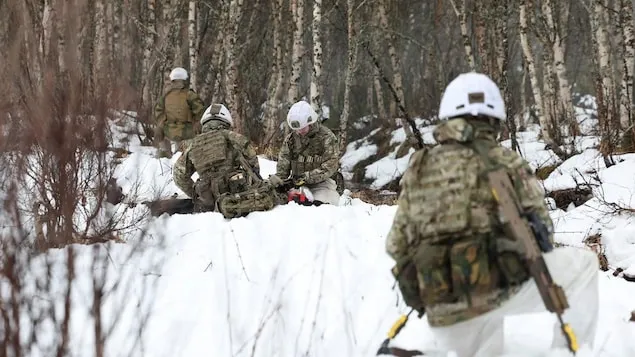
NATO Cold Response Training Exercise in Norway
In a significant diplomatic development, Mark Carney, the Prime Minister of Canada, is set to observe NATO’s Cold Response training exercise in Norway from March 9 to 19, 2023. This exercise involves approximately 25,000 soldiers from 14 nations, highlighting the collaborative military efforts among NATO allies in the Arctic region.
The Cold Response exercise is designed to test Norway’s ability to be reinforced in a crisis, showcasing the strategic importance of Arctic security. This year’s exercise is particularly notable as it marks the first visit by a Canadian prime minister to Norway since 1980, emphasizing the strengthening ties between Canada and northern European nations.
During his visit, Carney will meet with leaders from Denmark, Sweden, Finland, and Iceland, further solidifying the commitment to cooperative defense strategies in the Arctic. The exercise is part of the Arctic Sentry initiative, which aims to enhance security coordination among Arctic nations.
As part of the discussions surrounding the exercise, the ongoing U.S. war with Iran and the associated oil crisis will also be addressed during Carney’s subsequent visit to the United Kingdom. This context underscores the broader geopolitical challenges facing NATO and its member states.
According to a senior government official, “It’s very difficult terrain. It is cold, very sort of inhuman circumstances and geographic conditions.” This statement reflects the challenges faced by military personnel during the exercise, which aims to prepare them for operations in harsh environments.
Michael Byers, a political analyst, commented on the significance of the exercise, stating, “The Nordic countries coming together with Canada, having leaders visit the military exercise in northern Norway, this tells [U.S. President] Donald Trump that we’ve got Arctic security covered.” This sentiment highlights the importance of international cooperation in addressing security concerns in the Arctic region.
As the Cold Response exercise unfolds, it serves as a critical platform for NATO allies to assess their military capacities and readiness in the face of potential crises and conflicts. A senior government official noted, “I think it’s first to gain an understanding of what we are facing as we go forward in different crises and conflicts, what our military capacity might need.” This proactive approach is essential for maintaining security in the increasingly strategic Arctic region.
The Cold Response exercise has been a longstanding event within NATO’s framework, evolving over the years to adapt to new security challenges. As nations work together to enhance their military capabilities, the outcomes of this exercise will likely influence future defense strategies in the Arctic and beyond.
