Introduction
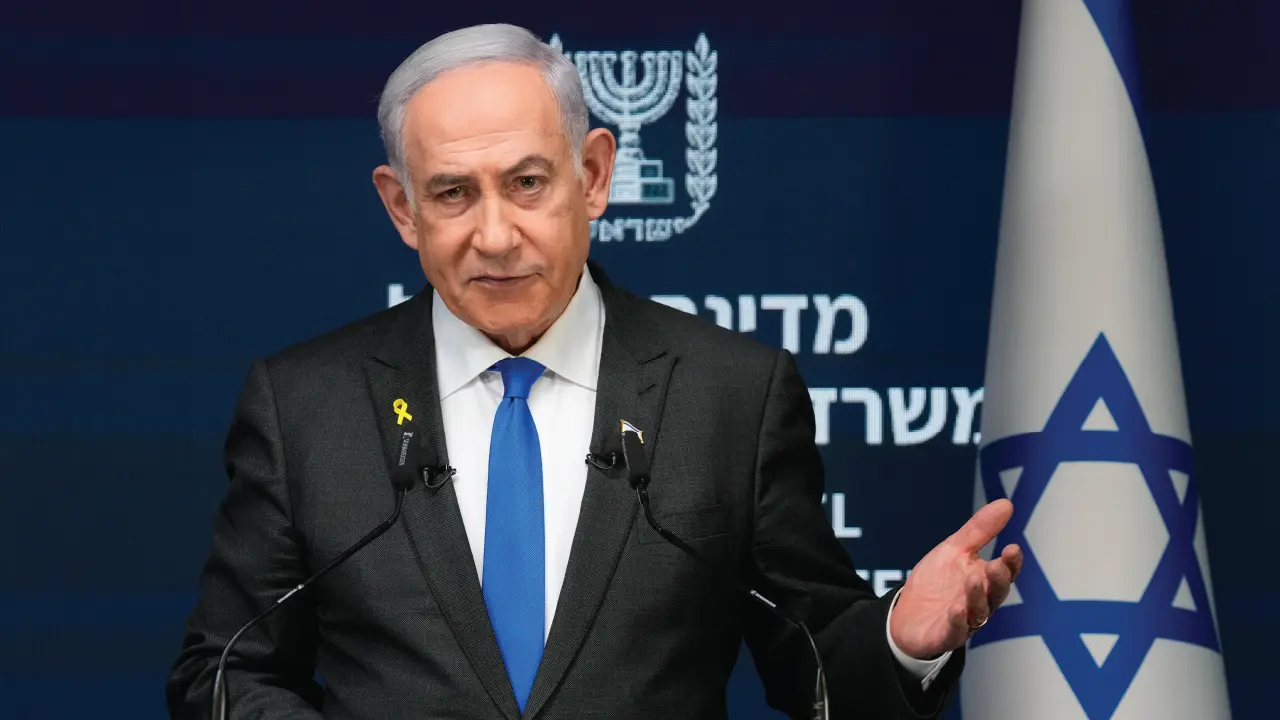
Benjamin Netanyahu, a prominent figure in Israeli politics, has played a pivotal role in shaping the nation’s policies and international relations for decades. As the longest-serving Prime Minister in Israel’s history, his recent actions and political manoeuvres continue to garner substantial global attention. Understanding Netanyahu’s influence is crucial, especially in light of his leadership style and the current geopolitical landscape in the Middle East.
Current Political Context
In recent months, Netanyahu has faced significant challenges, including widespread protests against his proposed judicial reforms and ongoing tensions with the Palestinian territories. Protests erupted in early 2023, pushing thousands of Israelis into the streets, opposing plans to limit the powers of the Israeli judiciary, which they believed would undermine democracy in the country. These events have raised concerns about the stability of Netanyahu’s government and the future of his administration.
Additionally, the Israeli-Palestinian conflict remains a critical issue, with heightened escalations reported in Gaza following military operations. The humanitarian situation in the region continues to be dire, and Netanyahu’s tough stance on security has both supporters and detractors, complicating efforts toward peace negotiations.
Netanyahu’s Leadership Style
Netanyahu’s approach to governance is often characterised by his strategic use of media and rhetoric to convey his policies and ideals. He has maintained strong alliances with right-wing political factions and has often positioned himself as a staunch defender of Israel’s security interests. This has resonated with many Israeli voters, particularly during heightened periods of conflict.
Despite his polarising political figures, Netanyahu’s ability to forge coalitions has kept him in power. His recent re-election in late 2022 further solidified his influence, indicating that a significant segment of the Israeli electorate continues to support his vision for the country, despite the controversies surrounding his administration.
Conclusion
Netanyahu’s leadership remains a vital component of Israeli politics, especially in the context of current challenges both domestically and internationally. His government’s decisions impact not just the Israeli populace but also the broader Middle Eastern dialogue. As the situation continues to evolve, observers will keenly watch Netanyahu’s strategies and their implications for both Israel and the endeavors for peace in the region. With tensions in the West Bank and Gaza likely to remain high, Netanyahu’s navigational skills and political acumen will be tested in the coming months, shaping future narratives in Israeli and Middle Eastern politics.
