Introduction
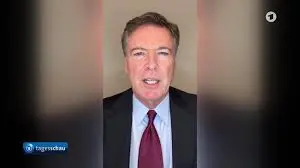
James Comey, former director of the Federal Bureau of Investigation (FBI), remains a significant figure in contemporary American politics. His tenure at the FBI and actions surrounding high-profile investigations have left an indelible mark on the political landscape, especially during the 2016 presidential election.
Comey’s Tenure as FBI Director
James Comey was appointed as the seventh director of the FBI in September 2013. His time in office was marked by several contentious events, most notably the investigation into Hillary Clinton’s use of a private email server during her tenure as Secretary of State. In July 2016, Comey publicly announced that the FBI would not recommend charges against Clinton, citing insufficient evidence of wrongdoing. However, in October, he revived the investigation just days before the election, a decision that many argue influenced the election’s outcome.
Consequences of His Actions
Comey’s actions led to widespread criticism from both sides of the political spectrum. Democrats blamed him for swaying the election in favour of Donald Trump, while Republicans condemned his handling of the Clinton investigation. His firing by President Trump in May 2017 further intensified the debate about Comey’s role and the integrity of the FBI. The dismissal sparked an investigation led by Special Counsel Robert Mueller regarding Russian interference in the 2016 election and obstruction of justice.
Recent Developments
In the years following his dismissal, Comey has remained active in public discourse, writing a memoir titled ‘A Higher Loyalty’ and frequently appearing on news programs to discuss issues pertaining to justice and democracy. Recently, he has spoken out about the dangers posed by misinformation and the erosion of public trust in institutions following events like the January 6 Capitol riots.
Conclusion and Significance
James Comey’s legacy continues to evoke strong opinions and debate. As discussions around accountability, ethics in politics, and the role of law enforcement agencies persist, his story serves as a pivotal example of the challenges faced by those in positions of power. Looking ahead, the implications of Comey’s actions could influence the upcoming elections and the broader dialogue on governance in the United States. For readers, understanding Comey’s impact is essential not just to grasp recent political history but also to comprehend ongoing shifts within the US political framework.
