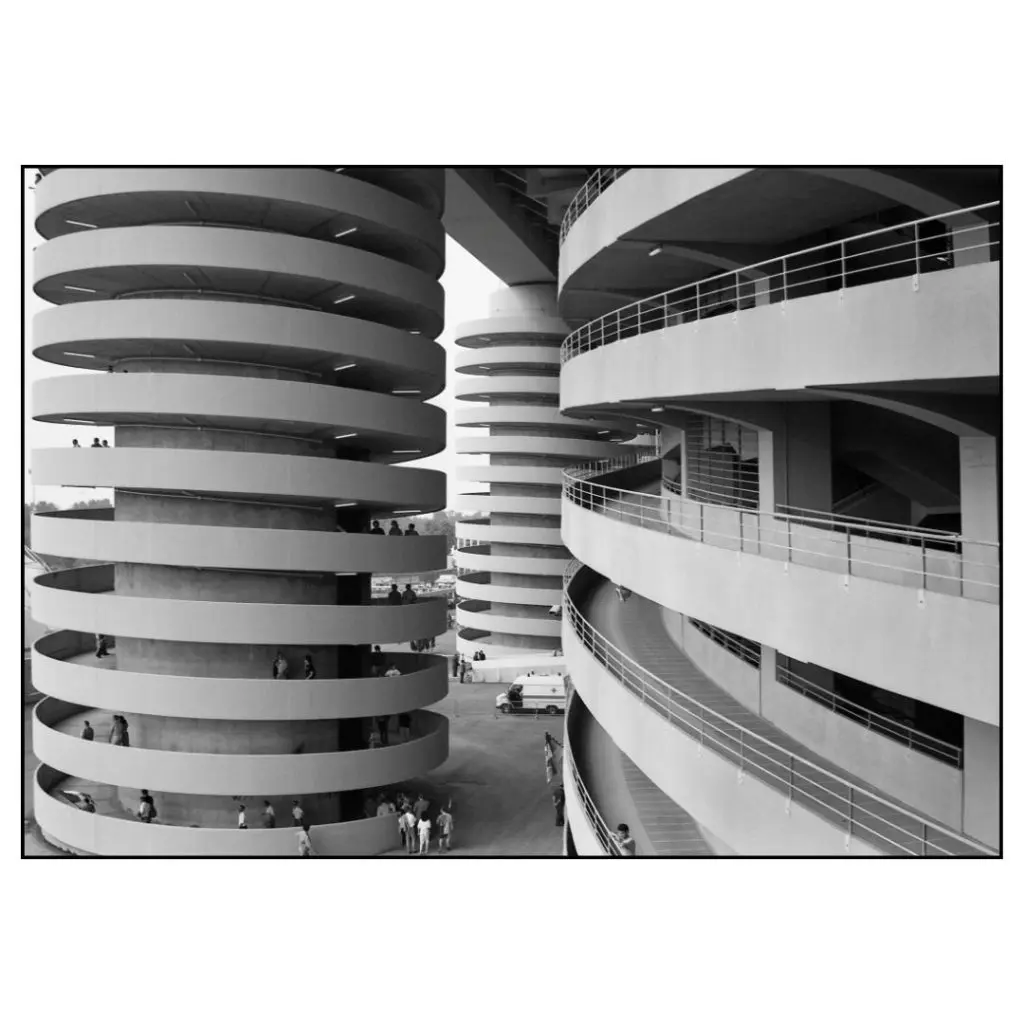
Introduction: The Legacy of San Siro
San Siro Stadium, officially known as Stadio Giuseppe Meazza, is not only a landmark in Milan but also a symbol of football greatness. Opened in 1926, it is one of the most iconic football stadiums in the world, serving as the home ground for two major Serie A clubs, AC Milan and Inter Milan. With a seating capacity of over 75,000, San Siro has hosted countless historic matches, including European finals and international cup games. As discussions around its future and redevelopment continue, understanding its importance in sports and culture becomes crucial.
Recent Developments at San Siro
In recent weeks, the footballing world has been abuzz with news surrounding the future of San Siro. In July 2023, the city of Milan approved plans for the construction of a new stadium that is set to replace the iconic San Siro. This decision, aimed at modernising the venue and enhancing the experience for fans, comes amidst a growing need for improved facilities and increased revenue opportunities for both AC Milan and Inter Milan.
However, the proposal has sparked a mix of reactions. Supporters of football heritage have voiced their opposition, arguing that the demolition of the old stadium would erase decades of history. In contrast, proponents of the new development argue that a modern facility could bring significant economic benefits to the city and provide an improved experience for generations of fans.
Community Response and Future Outlook
Local residents and fans have taken an active role in the discussion, with public forums and petitions circulating to gauge community sentiment. A recent survey indicated that approximately 60% of Milanese respondents support the new stadium, provided that measures are in place to commemorate the original San Siro’s history.
As the clubs prepare for the forthcoming seasons, the decision on whether to proceed with the redevelopment will significantly impact the clubs’ direction and their relationship with fans. The potential new stadium, named ‘New San Siro’, is expected to boast state-of-the-art technology, improved seating arrangements, and enhanced hospitality areas, ensuring that it meets the demands of modern football.
Conclusion: The Role of San Siro in Football Culture
The future of San Siro represents more than just a sporting venue; it embodies the history and culture of Milan. As negotiations continue, it is essential for both clubs and the municipality to foster a dialogue that honours the past while innovating for the future. Whether San Siro remains in its current form or transforms into a new era of football, its legacy will undoubtedly influence the landscape of sport in Italy and beyond.
