Introduction
The architectural marvel of skyscrapers has transformed urban landscapes around the world. As cities strive to reach new heights, the races to build the world’s tallest buildings not only reflect engineering advancements but also signify economic power and cultural ambition. This article explores the significance and recent developments regarding the tallest buildings globally, highlighting their impact on city living and international identity.
Current Tallest Buildings
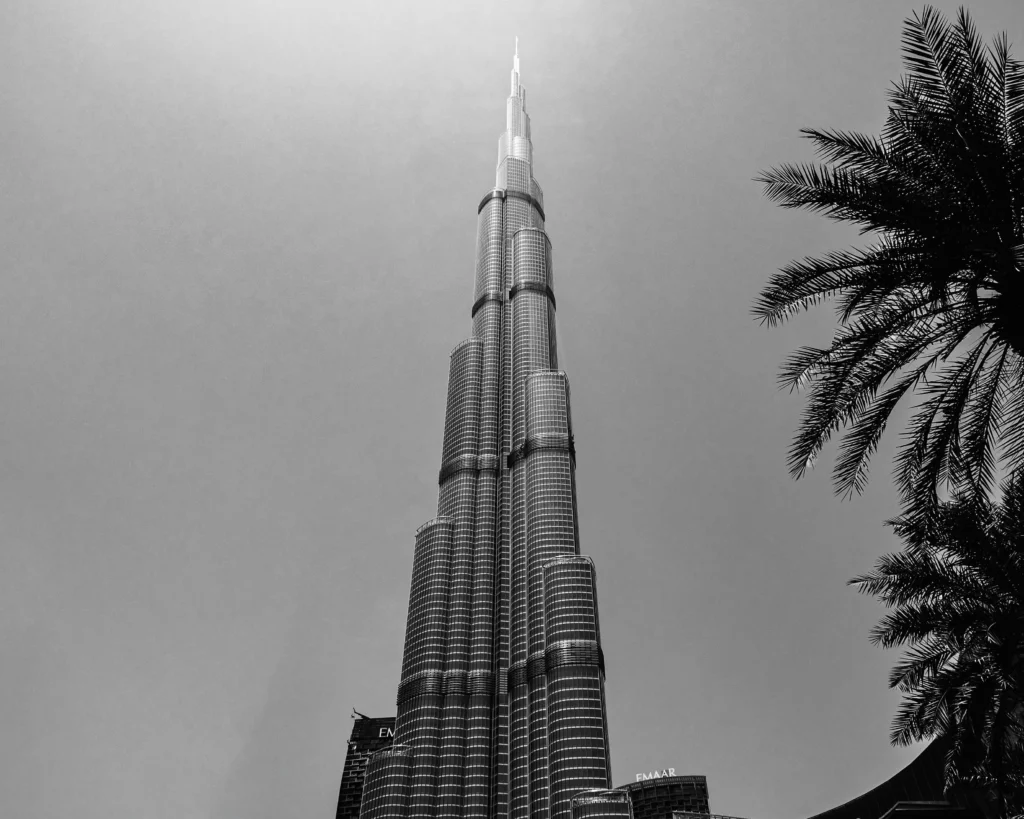
As of October 2023, the Burj Khalifa in Dubai continues to hold the title of the tallest building in the world, soaring at an impressive 828 metres (2,717 feet). Completed in 2010, this iconic structure has set a benchmark for architects and developers globally. Following closely are other notable skyscrapers, including the Shanghai Tower at 632 metres (2,073 feet) and the Abraj Al Bait Clock Tower in Mecca, Saudi Arabia, standing at 601 metres (1,971 feet).
Recent Developments
In recent years, new contenders have emerged in the race for height. The Jeddah Tower, currently under construction in Saudi Arabia, aims to surpass Burj Khalifa with an anticipated height of over 1,000 metres (3,281 feet) upon completion. Scheduled to open in 2024, this tower will feature mixed-use facilities, including residential, office, and hospitality spaces, making it an integral part of the urban environment.
Architectural Significance
The design and engineering feats involved in constructing these giants are noteworthy. Architects and engineers are increasingly employing innovative materials and technologies, such as reinforced concrete and wind-resistant designs, to ensure the stability and sustainability of these structures. For instance, the One World Trade Center in New York exemplifies resilience and memorialisation while incorporating cutting-edge safety features.
Impact on Urban Life
The world’s tallest buildings often become critical landmarks, symbolizing their cities and attracting millions of visitors each year. They also influence local economies through tourism and associated businesses, driving urban revitalisation. However, they can present challenges such as increased traffic, potential overpopulation, and environmental concerns, necessitating careful planning and management.
Conclusion
The ongoing evolution of the world’s tallest buildings serves as a testament to human ingenuity and ambition. As architectural design continues to push boundaries, it becomes essential to consider sustainably integrating these structures into urban ecosystems. Looking ahead, cities will likely continue to innovate, with towering skyscrapers playing a central role in shaping the urban experience and skyline for generations to come.
