Introduction
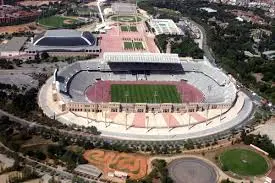
Estadi Olímpic Lluís Companys, located in Barcelona, is a vital piece of the city’s sporting heritage. Originally constructed in 1927 for the 1929 International Exhibition, it gained international fame as the main stadium for the 1992 Summer Olympics. This venue not only highlights the cultural significance of sports in Barcelona but also showcases the city’s dedication to maintaining its historical landmarks.
Historical Background
The stadium was designed by architect Francesc Mitjans and was initially named Estadi de Montjuïc. After undergoing extensive renovations to become Olympic-ready, it re-emerged as Estadi Olímpic Lluís Companys for the 1992 Games. It hosted various events, including the athletics competitions, and served as the venue for the opening and closing ceremonies. Over the years, it has welcomed numerous sports events and concerts, reinforcing its status as a multi-purpose arena.
Recent Developments
In recent years, the Estadi Olímpic Lluís Companys has seen various enhancements to support both athletes and spectators. The stadium has been modernised while preserving its historical essence. It continues to be the home ground for RCD Espanyol for their large matches and is used for a variety of community sports events, concerts, and cultural festivals. The venue’s management is continually exploring ways to enhance visitor experience and engage with the community.
Significance to Barcelona
The Estadi Olímpic Lluís Companys embodies not just a sports venue, but a symbol of Barcelona’s commitment to athletic excellence and community. It stands as a testament to the city’s aspiration to be a vibrant sports capital. Moreover, the stadium has become a significant tourist attraction, showcasing remarkable architecture and offering insight into Barcelona’s Olympic legacy.
Conclusion
The Estadi Olímpic Lluís Companys is more than just a stadium; it is a monument to the spirit of sport and culture in Barcelona. Its history and continued use signify its importance in the local and international sporting community. As we look to the future, it is expected that the venue will not only continue to host significant events but also engage newer generations in sport and culture, fostering a vibrant community atmosphere.
