Introduction
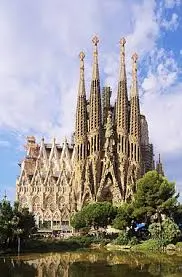
The Sagrada Familia, one of the most iconic landmarks of Barcelona, Spain, stands as a testament to the brilliance of architect Antoni Gaudí. This basilica, still under construction after more than a century, draws millions of visitors each year and is recognised as a UNESCO World Heritage site. Its architectural significance and intricate design reflect Gaudí’s unique vision, making it a vital part of not only Spain’s cultural landscape but also a marvel of modern architecture.
Construction and Design
La Sagrada Familia was commissioned in 1882 and has become synonymous with Gaudí’s innovative approach to architecture. The basilica’s design combines Gothic and Art Nouveau styles, featuring towering spires and detailed facades rich with symbolism. Gaudí envisioned the structure as a work of faith, with each element representing aspects of Christianity. As of 2023, approximately 70% of the construction has been completed, with ongoing work to finish the project by 2026, marking the centenary of Gaudí’s death.
Recent Developments
Over the past year, significant advancements in the construction process have been made. In 2022, the completion of the crypt and the central nave was announced, allowing for expanded public access and daily services. Funded primarily through ticket sales and donations, the project’s budget has faced variances due to the impacts of the COVID-19 pandemic. Nonetheless, efforts to modernise the construction process, including the use of 3D printing and computer-aided design, are accelerating progress. The anticipated completion date of 2026 has reignited interest, with tourists flocking to experience the evolving masterpiece.
Significance and Impact
The Sagrada Familia represents more than just a religious site; it embodies the spirit of creativity and endurance. Its construction reflects the labour of thousands of artisans and workers who continue to contribute to its legacy. With every stone laid and every spire erected, the Sagrada Familia not only showcases Gaudí’s visionary architectural style but also stands as a symbol of cultural pride and patience. It plays a vital role in the local economy, supporting tourism and providing jobs in the process.
Conclusion
The Sagrada Familia remains one of the most remarkable artistic and architectural achievements of our time. As it approaches a century since Gaudí’s passing, the completion of this basilica will mark a significant milestone in architectural history. For both visitors and locals, the Sagrada Familia is more than just a building; it is an ongoing journey of artistry, faith, and human achievement, inspiring generations to come. As construction continues, it is vital for all to celebrate this cultural gem that blends tradition with the promise of modernity.
