Introduction
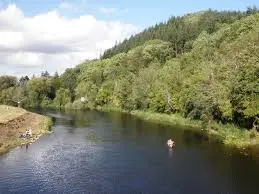
The River Wye is one of the most significant rivers in the United Kingdom, renowned not only for its stunning scenery but also for its rich history and ecological importance. Flowing through Wales and England, the River Wye has been a vital artery for communities for centuries, offering a glimpse into the natural beauty and cultural heritage of the region. It is no surprise that this river attracts thousands of visitors each year, becoming a central figure in outdoor recreation and conservation efforts.
Geographical Overview
The River Wye stretches approximately 134 miles, making it the fifth-longest river in the UK. It begins in the Cambrian Mountains of Wales and meanders through picturesque landscapes, including the Brecon Beacons National Park, before finally joining the River Severn. The river’s diverse ecosystems support a wide variety of flora and fauna, earning it recognition as an Area of Outstanding Natural Beauty (AONB).
Environmental Significance
Protecting the River Wye is of paramount importance due to its rich biodiversity. The river hosts numerous species of fish, including salmon and trout, and is a key habitat for birds such as kingfishers and herons. Recent environmental studies indicate a troubling decline in water quality, raising concerns among conservationists. The Wye has also been designated a Site of Special Scientific Interest (SSSI), which underscores the need for concerted efforts to conserve its unique ecosystems.
Activities and Tourism
Alongside its natural beauty, the River Wye is a hub for various recreational activities. Canoeing, kayaking, and paddleboarding are popular ways to explore the river’s tranquil waters, while anglers flock to its banks in search of the perfect catch. For hikers and nature enthusiasts, the Wye Valley Walk offers a scenic route encompassing lush woodlands, limestone cliffs, and charming villages. Local businesses have capitalised on this influx of visitors, providing guided tours, rental services, and accommodation options.
Challenges and Future Outlook
Despite its popularity, the River Wye faces several challenges, particularly relating to pollution and climate change. The rise in agricultural runoff and waste management practices have led to deteriorating water quality, prompting action from local authorities and environmental groups. Initiatives are underway to create a sustainable future for the river, balancing the needs of local communities with the necessity of conservation.
Conclusion
The River Wye remains a vital part of the UK’s natural heritage, embodying both classic beauty and significant ecological value. Its future hinges on responsible management and conservation efforts, ensuring that this picturesque river continues to flow vibrantly for generations to come. For readers, visiting the River Wye offers not only an escape into nature but also an opportunity to engage with ongoing conservation efforts that protect this splendid landscape.
