Introduction
Wolf spiders are an intriguing group of arachnids that play a crucial role in controlling insect populations within their ecosystems. Found in various regions across the UK, these spiders are known for their impressive hunting skills and distinctive appearance. Their presence not only contributes to biodiversity but also exemplifies the importance of arachnids in sustaining ecological balance.
Characteristics of Wolf Spiders
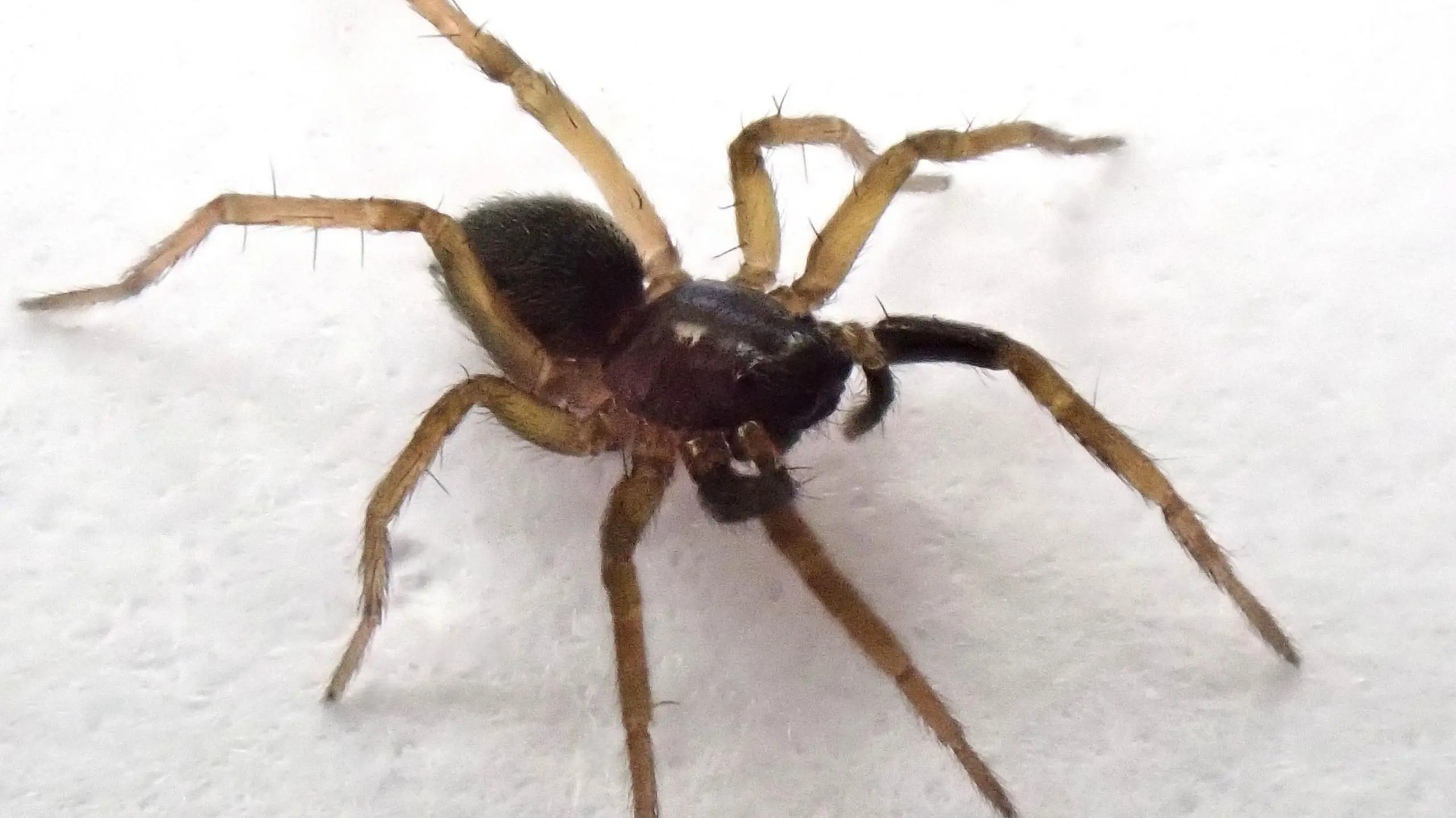
Wolf spiders belong to the Lycosidae family and are recognizable by their robust bodies, long legs, and often a striking pattern on their carapace. In the UK, there are approximately 30 species of wolf spiders, with the most commonly seen being the Pardosa and Lycosus varieties. They are typically brown or grey, which helps them blend into their surroundings.
Habitat and Behaviour
These spiders are primarily ground-dwelling and can be found in a variety of habitats, including woodlands, fields, gardens, and even urban areas. Unlike many other spider species, wolf spiders do not spin webs to catch their prey. Instead, they are active hunters, relying on their keen eyesight to detect movement and pounce on insects quickly.
Wolf spiders exhibit fascinating behaviour; they are capable of rapid movement and can even leap short distances to capture their prey. Most species are nocturnal, making them valuable for household pest control, as they hunt insects at night. Interestingly, female wolf spiders are known to carry their young on their backs until they are mature enough to fend for themselves, showcasing a unique aspect of parental care in the arachnid world.
Significance and Myths Surrounding Wolf Spiders
Wolf spiders are often misunderstood, with many people fearing their presence. However, these spiders are not aggressive towards humans and tend to avoid confrontation. Their bites can be painful but are generally harmless, drawing a clear line between myth and reality regarding their danger. Instead, their role in controlling harmful insect populations underscores their beneficial impact in gardens and parks.
Conclusion
Understanding the wolf spider UK is essential for fostering appreciation for these remarkable creatures and their roles in the ecosystem. As habitats continue to change due to urban development and climate change, recognising and protecting these spiders becomes increasingly important. By respecting their contributions to our environment, we can promote healthier ecosystems and safeguard biodiversity in the UK.
