Introduction
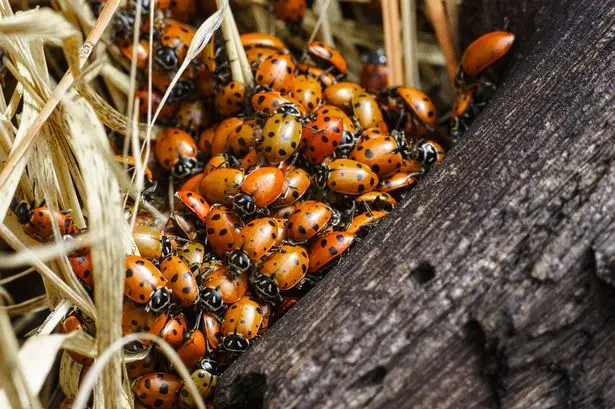
As the seasons change, many natural occurrences draw attention, but few are as enchanting as ladybirds swarming. Known for their vibrant colours and beneficial role in controlling pests, these small beetles can create stunning displays when they gather in large groups. Understanding why ladybirds swarm is not only fascinating but also crucial for appreciating their ecological importance.
What Causes Ladybirds to Swarm?
Ladybirds typically swarm in late summer or early autumn when they are preparing for winter. They gather in clusters to find suitable locations to hibernate, often in sheltered areas like tree crevices or buildings. This behaviour is largely a response to environmental cues, such as temperature drops and decreased daylight. According to a study published in the journal Environmental Entomology, ladybirds initiate swarming behaviour when the temperatures dip below 18°C.
The Ecological Impact
Ladybirds are renowned for their predatory habits, especially in controlling aphid populations in gardens and crops. A single ladybird can consume up to 5,000 aphids in its lifetime. Consequently, swarming behaviour can lead to a significant reduction in pest levels, showcasing their role as natural pest controllers. This is particularly crucial for organic farmers who aim to reduce chemical pesticides, thus supporting sustainable agriculture practices.
Recent Observations
Recent reports from across the UK have highlighted growing instances of ladybird swarming, particularly in regions blessed with lush vegetation and diverse insect populations. Experts attribute this increase to favourable weather patterns and the successful regeneration of habitats following environmental conservation efforts. Notably, in the Forest of Dean, naturalists observed clusters of ladybirds swarming in late September, marking a significant increase compared to previous years.
Conclusion
Ladybirds swarming is more than a mere spectacle; it is a vital behaviour that underlines their importance within the ecosystem. As these beetles gather to prepare for winter, it serves as a reminder of the delicate balance in nature and the roles various species play. Observing more significant swarming events could indicate the health of our environment, prompting us to reflect on conservation efforts. With ongoing habitat restoration, the expectation is that ladybird populations will thrive, further enhancing their ecological contributions. For those who marvel at these tiny wonders, each swarm may serve as a joyful reminder of the intricate connections within the natural world.
