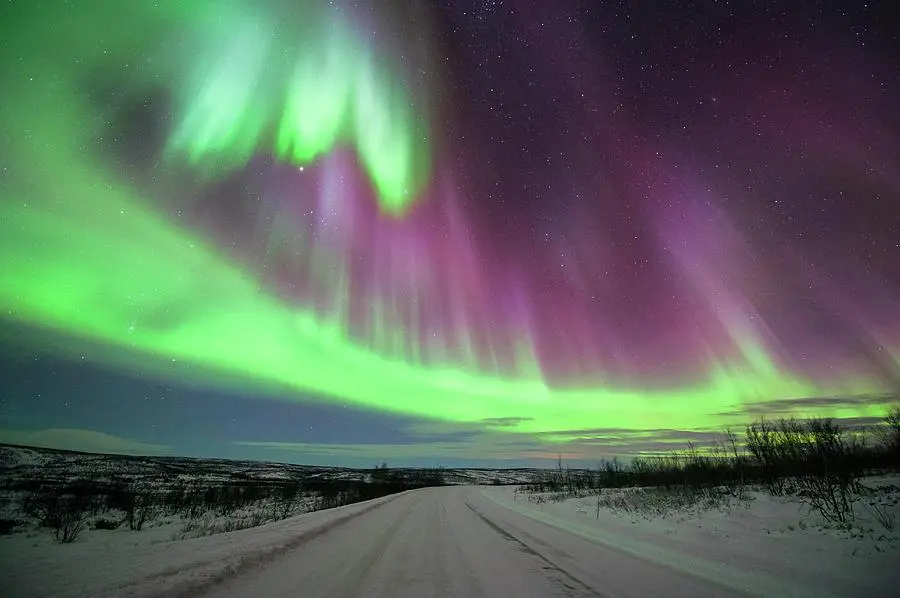
Introduction: Understanding the Aurora Borealis
The Aurora Borealis, also known as the Northern Lights, is one of the most stunning natural phenomena on Earth. Its vibrant displays of colour and light are not only a feast for the eyes but also hold significant cultural and scientific importance. As climate change and pollution continue to affect our planet, the visibility and occurrence of this ethereal spectacle have become crucial talking points, emphasising the need for environmental awareness and conservation.
What Causes the Aurora Borealis?
The Aurora Borealis occurs when charged particles from the sun collide with gases in Earth’s atmosphere. This interaction results in dazzling light displays typically visible in polar regions. The primary colours observed are green, pink, and violet, with variations depending on the type of gas, altitude, and the amount of energy released. Scientists have been studying this phenomenon for centuries, contributing to our understanding of solar winds and their effects on Earth.
Recent Events and Sightings
As of late 2023, heightened solar activity has led to more frequent sightings of the Aurora Borealis, much to the delight of nature enthusiasts and tourists. Reports of spectacular displays were particularly prevalent in locations such as Norway, Canada, and Alaska, where visitors traveled from around the globe to catch a glimpse of the lights. In September and October 2023, several communities in these regions reported record-level aurora activity, coinciding with recent solar flare events, indicating a more vibrant display than usual.
Impact on Culture and Tourism
Beyond its scientific significance, the Aurora Borealis carries deep cultural relevance among Indigenous peoples, particularly in Arctic communities who have long associated the lights with various myths and legends. Additionally, the increasing popularity of eco-tourism has brought greater attention to the Northern Lights, stimulating local economies in northern regions. Travel companies are now offering specialized tours, including photography workshops and guided excursions, to help visitors experience this natural wonder in all its glory.
Conclusion: The Significance of the Aurora Borealis
The Aurora Borealis not only captivates observers with its breathtaking beauty but also serves as a vital reminder of our planet’s natural wonders and the importance of preserving them. As concerns about climate change and its effects grow, the visibility and occurrences of the Aurora Borealis may serve as a barometer for environmental changes. Future monitoring of this phenomenon could lead to vital insights for climate researchers and inspire more collective efforts towards environmental conservation. Thus, while we gaze in awe at these spectacular lights, we should also reflect on our role in preserving the beauty that surrounds us.
